
Latour Detoure Home & Kitchen Ideas Timeless Appeal Of Concealed Hinges In Design

Timeless Appeal Of Concealed Hinges In Design

Hinges a typically ignored component play a necessary role in the capability and visual appeal of cabinets and doors. Cabinet hinges, door hinges, self-closing door hinges, and their variants might seem ordinary, but their influence on both usability and design is extensive.

Cabinet hinges are vital, as they ensure the fluid motion of cabinet doors, whether in kitchens, shower rooms, or living rooms. These hinges come in various styles and finishes, permitting seamless integration with different indoor style themes. From antique brass coatings appropriate for classic kitchen areas to smooth, stainless-steel choices that enhance contemporary interiors, the breadth of selections guarantees that performance does not come with the expense of design. Think about the refined style of concealed cabinet door hinges. These are developed to be concealed when the door is shut, highlighting a tidy, nonstop line that is visually enticing. The unification of such hinges can change the common feeling of cabinetry into an extra superior, bespoke configuration.

Proceeding on the motif of refinement, self-closing hinges raise the energy of both cabinet and basic door installments. These hinges are crafted to bring doors to a mild close automatically, which is not just a high-end attribute yet also a sensible one. They decrease the noise connected with pounding doors, protecting both the door’s finish and the cabinetry framework. For family members with children, self-closing door hinges can protect against fingers from being caught in swiftly moving doors. The charm of these hinges is that they discreetly enhance daily life without attracting attention to themselves. They are a testament to exactly how understated design components can add greatly to a household’s total serenity and order.

Choosing the appropriate door hinge entails recognizing the door’s weight and function. Heavy-duty hinges are essential for significant wood doors, commonly discovered in entrances or large kitchens, while lighter doors, like those on room closets, can make do with basic hinges.

Self-closing door hinges are a noteworthy part within this group and have a certain collection of applications that stretch beyond property atmospheres into public and commercial rooms. Their advancement exists in their capacity to make sure doors are constantly closed after passage, which is essential for maintaining power efficiency via decreased heat loss or a/c retreat. A lot more seriously, they fulfill essential safety and security needs, especially in fire safety approaches, where shut doors can hamper the spread of fires and smoke.

Comparatively, while cabinet door hinges may appear simpler than their regular door equivalents, the series of advanced services offered changes our communication with furnishings. Soft-close hinges are another technology constructed on the principle of self-closing systems, even more improving functionality by making certain that doors or cabinets close quietly and gradually. This function expands the life of your closets by stopping the damage triggered by slamming. Such refined improvements can considerably influence the satisfaction and durability of decor.

The aesthetic contributions of various hinge types should not be ignored either. Whether picking ornate, subjected hinges for a rustic, classic result or selecting minimal, surprise alternatives in smooth modern environments, hinges offer greater than simply practical value. They add to a natural style story within a space. Builders, home owners, and designers often try out contrasting coatings to develop factors of interest in an area making use of shiny chrome rests on dark timber paneling for a dramatic impact or brass in light, pastel-themed kitchen area cabinets to include warmth and deepness.

When it comes to cabinet hinges, these small mechanical gadgets play an essential duty in making certain that cabinet doors close and open smoothly while continuing to be firmly fastened to the cabinet structure. The advancement does not quit there, as the sector continually advances, resulting in layouts such as self-closing door hinges, which make life more hassle-free by instantly ensuring that doors close well after being opened.

The door hinge itself has actually been a cornerstone of building style for centuries, acting as the crucial point that enables the opening and closing of doors a relatively simple job that drastically improves the functionality of any type of living or working space. Door hinges come in a range of designs and types, each tailored to suit specific needs whether it be the light-weight, thin hinges needed for an indoor door or the durable, weather-resistant ranges required for external doors. With an array of products varying from stainless steel to brass, hinges can be both decorative and functional, mixing perfectly into the style of the door or standing out as declaration pieces.

Cabinet door hinges, particularly, are an area where innovation in design and functionality can truly be valued. As a specialized kind of hinge, cabinet door hinges are developed not simply to connect a door to a frame, but to boost the functionality and longevity of both the door and the cabinet. The selection of cabinet hinges can impact whatever from the appearance to the resilience of a cabinet. Concealed hinges provide a sleek profile by concealing the hinge mechanism entirely within the cabinet itself, providing a streamlined look in contemporary kitchen area designs.

Self-closing hinges stand for a considerable advancement in hinge technology, accommodating the progressively active way of lives of individuals today. As soon as it has actually been opened a particular distance, these hinges consist of a springtime mechanism that causes the door to close immediately. For households with little ones or also in expert settings, self-closing hinges guarantee that doors continue to be closed, hence boosting security by getting rid of potential threats such as ignored cabinets or open cabinet doors. Moreover, self-closing hinges contribute to energy effectiveness in climate-controlled areas by lessening the getaway of conditioned air.

Whether used to closets or doors, hinges remain an indispensable component of any kind of structure, integrating utility with design. Self-closing door hinges catch the essence of this blend, supplying both refinement and practicality. These hinges not just assist in the silent, automatic closing of doors but additionally give an aspect of beauty, adding a contemporary touch to any type of room. Their use is widespread, from domestic settings, where they assist preserve the cleanliness and order of a family home, to industrial establishments, where they add to the efficiency and safety of operations.

The style and choice of door hinges is not a choice to be ignored, as it influences both the functionality and aesthetic of closets and doors alike. Different door hinges are specifically designed for diverse applications, ensuring ideal performance in different scenarios. For example, durable hinges are ideal for exterior doors that deal with the force of the elements and call for robust support, whereas lighter hinges could be optimal for indoor doors where aesthetic factors to consider might take priority over functionality.

Choosing the ideal hinge, whether it be a cabinet door hinge, self-closing hinge, or another selection, needs cautious factor to consider of several variables, consisting of the material of the door, the weight it need to support, and the preferred aesthetic result. Today’s option of hinges reflects ongoing technical developments, with ingenious designs that boost both ease of use and long life.

Discover door hinge the important role hinges play in home style and functionality, from cabinet to self-closing door hinges, and just how their thoughtful choice can blend design with functionality to improve your home.

Hinges especially cabinet hinges, self-closing door hinges, door hinges, cabinet door hinges, and self-closing hinges are not just useful elements of construction but are important to the design, safety, and ease of modern space. Their development over the years has actually changed them right into advanced gadgets that react to the needs of increasingly vibrant way of lives. These parts make certain that our homes, offices, and public areas are not only operationally effective but likewise comfy and aesthetically pleasing. Whether restoring a cooking area or equipping a business room, comprehending the subtleties of hinge choice and application can make the difference between simply constructing a space and crafting a setting that caters to the nuanced demands of its residents.

In summary, the world of hinges is much more fascinating than it first appears. They are important to house style, combining creativity with development in a range of settings. From guaranteeing smooth, reliable activity to improving the visual appeals of homes and industrial rooms, the functional applications of cabinet hinges, door hinges, and self-closing mechanisms enrich our everyday interactions with the constructed environment. By selecting the ideal hinge, one emphasizes the importance of refined information that jointly specify the comfort, security, and style of living and workplace. Consequently, following time you open a cabinet or close a door, take a moment to value the amazing engineering and design factor to consider that hinge stands for. Whether in the type of a cabinet door hinge skillfully blending into woodwork or a durable self-closing door hinge dutifully doing its silent job, each plays an irreplaceable component in the orchestration of our everyday activities.
Leave a Reply

Your email address will not be published. Required fields are marked *

Related Post

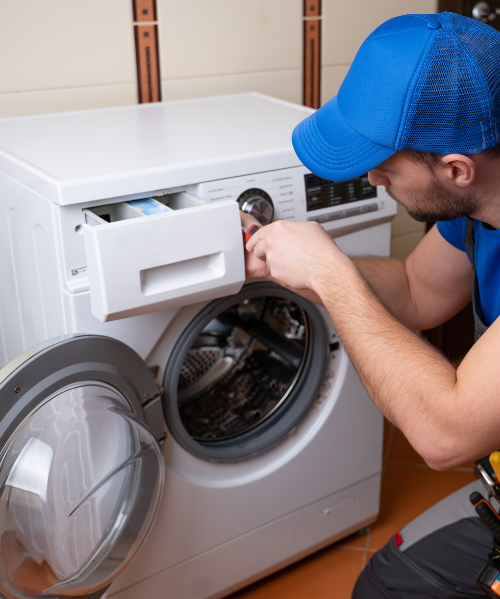
Die Bedeutung und Vorteile der professionellen Reparatur von Haushaltsgeräten: Wie man die Lebensdauer verlängern kannDie Bedeutung und Vorteile der professionellen Reparatur von Haushaltsgeräten: Wie man die Lebensdauer verlängern kann

Die Reparatur von Haushaltsgeräten ist ein wesentlicher Bestandteil des modernen Lebens. In vielen Haushalten gibt es eine Vielzahl von Geräten, die den Alltag erheblich erleichtern, wie etwa Waschmaschinen, Kühlschränke, Mikrowellen und Staubsauger. Diese Geräte sind nicht nur praktisch, sondern auch teuer in der Anschaffung. Daher ist es entscheidend, sich mit den Möglichkeiten zur Reparatur von Haushaltsgeräten auseinanderzusetzen, wenn sie kaputtgehen. Viele Menschen neigen dazu, ein defektes Gerät einfach zu ersetzen, ohne die Reparatur in Betracht zu ziehen. Dies kann jedoch sowohl umwelttechnisch als auch finanziell nachteilig sein. Die Reparatur eines Haushaltsgeräts bietet zahlreiche Vorteile, die sowohl den Geldbeutel schonen als auch zur Schonung der Umwelt beitragen. Kühlschrank Reparatur Berlin.

Ein häufiger Grund, warum Haushaltsgeräte ausfallen, ist die Abnutzung durch den täglichen Gebrauch. Doch viele Geräte können bei einem Defekt ohne große Kosten wieder funktionsfähig gemacht werden. Wenn man die Reparatur in Erwägung zieht, sollte man jedoch auf professionelle Hilfe zurückgreifen, anstatt sich selbst an der Reparatur zu versuchen. Reparaturen, die von Laien durchgeführt werden, können häufig zu weiteren Schäden führen, was die Situation noch teurer machen kann. Fachleute, die in der Reparatur von Haushaltsgeräten spezialisiert sind, haben nicht nur das nötige Wissen, sondern auch die Erfahrung und das richtige Werkzeug, um die Reparatur effizient und kostengünstig durchzuführen.

Darüber hinaus bieten viele Reparaturdienste auch Garantien auf ihre Arbeit, was zusätzliche Sicherheit bietet. Das bedeutet, dass der Kunde sich keine Sorgen über die Qualität der Reparatur machen muss. Bei einer erfolgreichen Reparatur wird das Gerät in der Regel viele Jahre weiter funktionieren, was es zu einer kostengünstigen Option im Vergleich zum Kauf eines neuen Geräts macht. Auch die Zeit, in der das Gerät ausfällt, kann durch eine schnelle und effiziente Reparatur minimiert werden, sodass der Haushalt so wenig wie möglich beeinträchtigt wird.

Ein weiterer wichtiger Aspekt ist die Umwelt. Haushaltsgeräte bestehen aus vielen Materialien, die bei einer unsachgemäßen Entsorgung der Geräte in den Müll gelangen. Wenn Geräte stattdessen repariert werden, verringert sich die Menge an Abfall, und wertvolle Ressourcen werden geschont. Das Reparieren von Geräten trägt somit nicht nur zur Reduzierung des Mülls bei, sondern auch zur Reduzierung des CO2-Ausstoßes, da die Herstellung eines neuen Geräts mit einem erheblichen Energieaufwand verbunden ist. Auch das Recycling von Altgeräten ist ein wichtiger Schritt in Richtung Nachhaltigkeit, aber die Reparatur ist der effizienteste Weg, die Lebensdauer eines Produkts zu verlängern.

Neben den finanziellen und ökologischen Vorteilen trägt die Reparatur von Haushaltsgeräten auch dazu bei, die Lebensqualität im Haushalt aufrechtzuerhalten. Wenn ein wichtiges Gerät wie der Kühlschrank oder die Waschmaschine ausfällt, kann dies den Alltag erheblich beeinträchtigen. In solchen Fällen ist eine schnelle und zuverlässige Reparatur unerlässlich, um den normalen Betrieb des Haushalts wiederherzustellen. Professionelle Reparaturdienste stellen sicher, dass das Gerät schnell wieder funktionsfähig ist, was den Stress und die Unannehmlichkeiten minimiert.

Zusammenfassend lässt sich sagen, dass die Reparatur von Haushaltsgeräten eine kluge Entscheidung ist, die sowohl wirtschaftliche als auch ökologische Vorteile mit sich bringt. Indem man auf die professionelle Hilfe von Reparaturdiensten setzt, kann man nicht nur Geld sparen, sondern auch die Lebensdauer der Geräte verlängern und einen Beitrag zum Umweltschutz leisten. Es lohnt sich also, Reparaturen in Betracht zu ziehen, bevor man auf den Kauf eines neuen Geräts zurückgreift.

Essential Gardening Tools Every Beginner NeedsEssential Gardening Tools Every Beginner Needs

Unearthing the secrets of a flourishing garden begins not with seeds alone, but with the mastery of the right instruments. Every budding horticulturist knows that the journey from bare soil to vibrant blooms can be daunting without the proper arsenal.

Imagine effortlessly slicing through stubborn roots, sculpting perfect beds, and nurturing tender seedlings with precision—this is the transformative power of essential gardening tools every beginner needs. From the humble trowel that digs the first furrow to the ergonomic pruners that trim with surgical accuracy, these implements are the silent allies behind every thriving garden.

But it’s not just about tools—it’s about understanding their purpose, knowing when to wield them, and embracing gardening tips that elevate a simple patch of earth into a verdant masterpiece. With the right kit, the intimidating chore of planting, weeding, and watering becomes an art form, an almost meditative ritual that rewards patience and persistence. Beginners can gain confidence, avoid common pitfalls, and unlock the satisfaction of seeing their efforts bloom in real time. Take action now: equip yourself with these indispensable tools and let your garden tell the story of your skill, care, and dedication.

Why the Right Tools Matter for Beginners

When starting out, it’s easy to underestimate the importance of gardening tools. Many beginners attempt to work with inadequate or makeshift instruments, which can lead to frustration, injuries, and even discouragement. Here’s why having the right tools is crucial:

Efficiency and Productivity

Imagine trying to dig a hole with a small kitchen spoon. It’s inefficient and tiring, right? A properly sized trowel, spade, or fork makes planting, weeding, and soil turning much easier, allowing you to complete tasks faster and with less strain. Tools tailored for gardening not only reduce effort but also help you maintain precision in your work.

Health and Safety

Using improper tools can lead to sore muscles, blisters, or even more severe injuries. Ergonomically designed gardening tools minimize strain on your hands, wrists, and back, ensuring that your gardening journey is enjoyable and sustainable. Investing in tools with proper grips and handles is not a luxury—it’s a necessity.

Longevity of Your Garden

The right tools help maintain plant health. For example, a sharp pruner prevents crushing branches and stems, promoting quicker healing and preventing disease. Similarly, a high-quality watering can or hose ensures your plants receive the correct amount of water without damaging delicate roots.

The Essential Gardening Tools Every Beginner Needs

To help beginners get started, we’ve categorized essential tools into sections for easy reference. Each tool is discussed with its uses, tips for choosing quality items, and advice for maintenance.

1. Hand Trowel

A hand trowel is a versatile tool every gardener should own. It’s perfect for:

  • Planting bulbs and small plants

  • Digging small holes

  • Mixing soil or fertilizer

Gardening tip: Choose a trowel with a comfortable handle and a stainless steel blade. Avoid thin metal blades that bend easily. Regularly clean your trowel to prevent soil buildup and rust.

2. Garden Fork

A garden fork is excellent for breaking up hard soil, aerating the ground, and turning compost. Unlike spades, forks can loosen soil without disturbing roots excessively.

Gardening tip: When purchasing a fork, select one with sturdy, tapered tines. For beginners, a four-tine fork is manageable and efficient. After use, remove dirt and rinse to prevent corrosion.

3. Spade or Shovel

A spade or shovel is essential for digging larger holes, transplanting shrubs, and moving soil or compost. Look for:

  • A sharp, flat edge for cutting through soil

  • A strong handle, preferably wooden or fiberglass

  • Comfortable grip to reduce hand fatigue

Gardening tip: Store your spade in a dry place to prevent wood rot and metal rust. A spade can also double as a lever for removing rocks and roots.

4. Pruning Shears (Secateurs)

Pruning shears are used for trimming and shaping plants, cutting back dead branches, and harvesting fruits or vegetables.

Gardening tip: Invest in bypass pruners rather than anvil types for clean cuts. Always sharpen blades regularly and clean with rubbing alcohol to prevent disease spread.

5. Garden Hoe

A hoe is invaluable for weeding, cultivating soil, and creating furrows for seeds. Beginners should choose a hoe that matches their garden size and soil type.

Gardening tip: Use a short-handled hoe for flowerbeds and a long-handled one for larger vegetable patches. Proper use involves pushing and pulling rather than chopping downwards, which can damage roots.

6. Watering Can or Hose

Consistent watering is crucial for plant health. Beginners have two main options:

  • Watering can: Ideal for small gardens, container plants, or delicate seedlings.

  • Garden hose: Efficient for larger spaces, especially with adjustable nozzles for different spray patterns.

Gardening tip: Avoid watering in the heat of the day; early mornings or late afternoons reduce water evaporation. Ensure hoses are stored properly to prevent kinks and leaks.

7. Garden Gloves

Gloves protect your hands from cuts, blisters, and soil-borne bacteria. They also provide a better grip on tools and thorny plants.

Gardening tip: Choose gloves that are breathable yet durable. Leather gloves are great for heavy-duty tasks, while cotton gloves work well for light gardening. Wash gloves regularly to maintain hygiene.

8. Rake

A rake is essential for gathering leaves, leveling soil, and spreading mulch. Depending on your garden needs, consider:

  • Leaf rake: Lightweight and ideal for dry leaves and grass

  • Garden rake: Heavy-duty for soil, gravel, or compost

Gardening tip: Use a rake to aerate soil gently. Raking too aggressively can disturb plant roots.

9. Wheelbarrow or Garden Cart

Transporting soil, compost, plants, or debris is easier with a wheelbarrow or garden cart. This tool saves energy and time, especially in larger gardens.

Gardening tip: Ensure the wheelbarrow has sturdy tires and a balanced frame. Regularly check for loose bolts and clean off mud after use to extend its life.

10. Soil Knife or Hori Hori

A soil knife, also called a Hori Hori, is a multi-purpose tool used for digging, cutting roots, and dividing plants. Its sharp edge and serrated side make it versatile.

Gardening tip: Always store the knife safely with a sheath. Keep the blade sharp for efficiency.

11. Plant Labels and Markers

Keeping track of plant names, planting dates, and growth progress is crucial for beginners. Labels and markers help you organize your garden efficiently.

Gardening tip: Waterproof labels last longer. Consider color-coding to differentiate plant types or growth stages.

12. Garden Twine and Stakes

Twine and stakes are used to support growing plants, train vines, or mark rows in vegetable patches. They prevent plants from bending or breaking in wind or rain.

Gardening tip: Use biodegradable twine for sustainable gardening. Ensure stakes are driven firmly into the ground to provide adequate support.

13. Compost Bin

A compost bin turns kitchen scraps and garden waste into nutrient-rich compost, enriching soil and improving plant health. Beginners should start with a small bin to understand the composting process.

Gardening tip: Layer greens (vegetable scraps) and browns (dry leaves) properly to avoid foul odors. Turn compost regularly to speed decomposition.

14. Garden Kneeler or Pad

Gardening often involves kneeling for planting, weeding, or transplanting. A kneeler or pad protects your knees and reduces strain.

Gardening tip: Many kneelers double as lightweight seats. Choose one with cushioning and water-resistant material for comfort.

15. Soil pH Tester

Soil pH affects plant growth and nutrient absorption. Beginners should test their soil to ensure optimal conditions for different plants.

Gardening tip: Digital testers are more accurate, but even simple chemical kits work well for small gardens. Retest periodically, especially after adding fertilizers.

Bonus Gardening Tips for Beginners

Even with the right tools, gardening requires knowledge and practice. Here are essential gardening tips to ensure success:

Start Small

Don’t overwhelm yourself with a huge garden. Begin with a small patch or container garden to learn the basics and gradually expand.

Know Your Plants

Research the light, water, and soil needs of each plant. Understanding plant preferences reduces failure and frustration.

Maintain Tools Regularly

Clean, sharpen, and store tools properly. Well-maintained tools last longer and perform better.

Mulch and Fertilize

Use organic mulch to retain moisture, suppress weeds, and enrich soil. Fertilize according to plant needs rather than over-applying nutrients.

Monitor Pests Early

Check plants regularly for signs of pests or diseases. Early intervention can save entire crops.

Keep a Gardening Journal

Record planting dates, growth progress, and observations. This habit helps you learn from successes and failures.

Organizing Your Gardening Tools

Having the tools is one thing; keeping them organized is another. A well-organized shed or storage area ensures:

  • Easy access to tools

  • Longer tool lifespan

  • Reduced risk of injury

Consider hooks for hanging tools, bins for small items, and shelves for pots and fertilizers. Keep heavy tools off the ground to prevent moisture damage.

Cost vs. Quality: What Beginners Should Know

Beginners often wonder whether to buy cheap tools or invest in higher-quality ones. Here’s a quick guide:

  • Starter tools: Affordable sets are fine initially but may wear out faster.

  • Long-term investment: High-quality tools with ergonomic designs and durable materials save money over time and make gardening enjoyable.

A balanced approach is recommended: buy high-quality essentials (pruners, spade) and add budget-friendly items for secondary tools (labels, twine).

Sustainable Gardening Practices

Using the right tools is only part of responsible gardening. Beginners should also adopt eco-friendly habits:

  • Reuse containers and pots

  • Collect rainwater for irrigation

  • Choose native plants that require less maintenance

  • Compost organic waste

These practices reduce environmental impact while promoting healthier, more resilient gardens.

Troubleshooting Common Beginner Mistakes

Even with the best tools, beginners may face challenges. Here’s how to overcome them:

Overwatering

Too much water can harm roots. Use moisture meters or simply check soil before watering.

Planting Too Close

Avoid overcrowding; plants need space for roots and airflow. Proper spacing prevents disease and encourages growth.

Neglecting Pruning

Regular pruning improves plant health and appearance. Learn which plants require seasonal trimming.

Ignoring Soil Quality

Poor soil leads to weak plants. Amend soil with compost, organic fertilizers, or sand depending on plant needs.

The Joy of Gardening: Beyond Tools

While tools and tips are essential, gardening is ultimately about connection—with nature, with life cycles, and with yourself. Observing tiny seedlings grow into mature plants teaches patience and resilience. Harvesting fruits, vegetables, or flowers is a reward unlike any other.

With the right tools and a few simple gardening tips, beginners can transform barren patches into thriving, vibrant gardens. Every gardener starts somewhere; armed with knowledge and essential tools, your garden can flourish.

Conclusion

Starting a garden may seem daunting, but the right tools make all the difference. From hand trowels and garden forks to watering cans and soil testers, each item has a purpose and contributes to your success. Coupled with practical gardening tips, these tools empower beginners to cultivate a healthy, beautiful garden with ease.

Remember, gardening is not just about productivity—it’s a form of therapy, creativity, and education. By investing time in learning proper techniques, maintaining tools, and understanding your plants, you ensure long-term satisfaction and growth.

So, grab your hand trowel, slip on your gloves, and step into the world of gardening. With knowledge, tools, and passion in hand, your garden is ready to bloom.

20 Pro Pieces Of Advice For Picking A Chinese Furniture Manufacturer20 Pro Pieces Of Advice For Picking A Chinese Furniture Manufacturer


Top 10 Tips For Assessing The Options For Customization Offered By The Chinese Manufacturer
This guide will help you evaluate the customization options available from an Chinese furniture maker like OPPEIN. It's particularly helpful for kitchen cabinets, wardrobes, and other furniture.
1. You can customize your product to suit you:
Start by looking into the range of customization that the manufacturer can provide. This includes options for materials, finishes, sizes, colors, forms and many other options. A good manufacturer will offer a range of choices so that they can meet diverse design needs and designs. Request a portfolio or catalog of custom projects completed to assess the abilities of the manufacturer.

2. Inquire About Design Flexibility:
Examine how flexible the manufacturer is regarding design changes. Are they willing to alter their designs according to client requirements? It is crucial to select a business that permits you to alter the layout. This could include changing the dimensions to better fit your space, or adding additional elements to enhance the functionality. Talk about your needs and then see how they respond.

3. Browse Material Options
Furniture should be able to be tailored to the materials it is constructed out of. Find out about the kinds of laminates, wood, or finishes you can choose to personalize. When you know the various options available, you'll be able select the best options that match both your aesthetic requirements and functional requirements such as durability or water resistance.

4. Review the Color and Finish Options:
You can create a unique design of your furniture by choosing a manufacturer who offers an array of finishes and colors. Get samples of their available finishes and colors and ensure they can provide specific colors in the event of need. Good finishes have a huge impact on both the appearance and the durability of furniture.

5. Assess Design Software and Tools
Many modern furniture producers utilize design software that lets customers visualize their customized order. Contact the manufacturer for these tools. They will enhance the experience of customization by making it more engaging. This technology will allow you to make and edit designs which will give you a clear understanding of the final product.

View previous custom projects
You can find examples of custom orders that the manufacturer has handled in case studies. You'll be able to gain insight into the company's expertise and capacity to manage custom orders. Be sure to pay attention to the size and extent of the project as well as the reviews from clients regarding the final result.

7. Examine Communication During Customization
Communication is key to the customization process. Evaluate the way in which the company communicates design choices, timelines and any challenges to customers. A clear and responsive communication style will greatly improve the process of customization. This will ensure that your requirements and needs are satisfied.

8. For custom orders, inquire about Lead Time:
Custom furniture could be more time-consuming than standard products. The manufacturer will be able to inform you the lead time for custom orders. Understanding the timeline can help you plan the task. This is especially important if you are working on particular project or have an end date.

9. Know the Order Process:
Be familiar with the process of ordering custom furniture. Ask about the procedures involved, from the initial design discussions through final approval and production. A clearly defined process will allow you to make adjustments easily and ensure that all information is properly recorded and implemented.

10. Review After-Sales Support to Customized Projects
In the final instance, ask about the manufacturer's after-sales support specifically for custom furniture. It is important to inquire about the manufacturer's warranty policies and if spare parts are readily available and if they are able to help with any issues that might arise after the delivery. The after-sales service that is available to customers is an indication of a manufacturer's commitment to quality and customer satisfaction.

As a conclusion, evaluating the possibilities of customization provided by a Chinese Furniture Manufacturer like OPPEIN is a comprehensive study of the various aspects. You can ensure that the manufacturer will be able to meet all of your expectations by following these specific guidelines. Follow the recommended OPPEIN for more examples including kitchen modern cabinet design, custom kitchen, kitchen cabinet wholesalers near me, two tone kitchen cabinets, kitchen units ideas, modern kitchen, bedroom wardrobe closet, storage armoire, kitchen cabinet companies, wood armoire closet and more.

Top 10 Suggestions For Assessing The Lead Times And Production Capacity Of The Production Capacity Of A Chinese Furniture Manufacturer
This guide provides a complete overview to evaluate production capacity and lead times of the Chinese furnishings manufacturer, like OPPEIN. Especially when you're thinking about custom-made furniture such cabinets, closets etc.
1. Demand Production Schedules with detailed production schedules:
Request specific production plans. The schedule should include every step of the production process from raw materials procurement to final assembly and shipment. Understanding the timetable helps you to assess whether their production capacity matches up with the deadlines for your project.

2. Inquire About Standard Lead Times:
You can ask the manufacturer about their typical lead times for various types of furniture. The lead times for furniture vary greatly based on the quality of the product as well as the customization options and the volume of orders. You can evaluate the ability of the vendor to fulfill your order promptly by learning the lead time of the item you're looking at.

3. Assess your ability to handle large orders.
Check the ability of the manufacturer to meet big orders. This is particularly important in the case of a major project like furnishing a whole hotel or even a few apartments. Check the production capacity that is maximum for every product line, and whether they are able to increase production during times of high demand.

4. Know the impact that customization has on Lead Time
The management of the manufacturer's lead times could be affected by customisation. This is why it's essential to learn how they handle this. Ask how much additional time is normally needed for custom orders in comparison to standard products. Transparency, reliability and transparency are displayed by a company that communicates the results of customizing lead times.

5. Assess the flexibility of production scheduling:
Find out whether the manufacturer is flexible about changing production dates. The timelines for projects can change and manufacturers will need to be able to adjust quickly. Manufacturers that can adjust to changes in lead time or prioritize the urgent requirements are more likely to meet the demands of your evolving needs.

6. Examine the effectiveness of Workflow and Process:
Inquire about the manufacturer's manufacturing procedures. Ask about the manufacturer's workflow as well as the automation process and lean manufacturing practices. A manufacturing company with efficient processes, modern technology and a greater capacity for production is likely have lower lead times and superior overall service.

7. Check your backup production capacity:
In the event of an unexpected issue, like equipment failure or supply-chain disruptions, it is important to be aware of the contingency plans in place. Find out if the company has a backup production capacity, or if the manufacturer has alternative suppliers of materials. A manufacturer that has contingency plans in place is better able to handle unexpected issues without impacting lead time.

Review Performance Metrics from the Past
Ask the manufacturer about the past performance in relation to lead time and production capacity. This could be information about the average lead-times of different categories of products, their on-time deliver rates, or any historical trends regarding production capacity. It is possible to gain insights by examining this data.

9. Examine Communication During Production:
Communication throughout production is essential. Find out how the manufacturer keeps customers on the status and progress of their orders. This is especially important when there are delays or modifications to delivery times. Communication between the customer and the manufacturer is a sign of their commitment to their services. This can assist you to define expectations for your project.

10. Get References from previous clients:
Also, ask for references from clients who collaborated with the manufacturer on similar projects. Contact these customers to find out their experience with regards to timelines and production capacities. Positive feedback from previous customers can give valuable insight into the reliability of the manufacturer and its capacity to meet deadlines.

In conclusion, assessing the time-to-market and capacity of a Chinese furniture maker like OPPEIN requires a thorough examination of production schedules, flexibility, process efficiency, as well as client feedback. Follow these detailed tips to make sure that the manufacturer will be able meet your timelines and needs. Follow the recommended kitchen catalogue for site tips including storage armoire, kitchen cupboard top, wardrobes and closets, images of kitchen cupboards, best kitchen cabinets, large armoire closet, kitchen cabinet companies, armoire with drawers, wardrobe custom, armoire and more.

Report this page


Do You Choose The Right Tankless Water Heaters In Your Home?Do You Choose The Right Tankless Water Heaters In Your Home?

Are you currently renovating your home and looking for ways to better its value? Putting in a new water warmer may just be what you need; it will not only give you luxuriant hot irrigate, but also increase the green footmark of your home. Tankless solar water heater also help you save money by qualifying utilization of or gas that is needful to exert hot irrigate in vauntingly tanks. What do you need to know?

How Tankless Water Heaters Works

It may voice complex, but did you know that tankless irrigate heaters have relatively simple surgical process. When treated, it literally heats water on so that hot irrigate is available whenever you need it.

This is quite practical compared to having a tank where irrigate is incessantly heated. Using a tankless water heaters can interpret to Brobdingnagian nest egg as long as you choose the right simulate that can serve all your hot water needs. This type of warmer is rapidly becoming the monetary standard in various countries like Japan, Europe, and new in the United States. So what are the best tankless heaters for home improvement you can consider?

Water Heaters Models

Not all tankless heaters are created rival. In this context of use here are some well good buys that you can consider:

Stiebel Eltron Tempra 24 Plus Electric

This is one of the more pop models in the commercialize nowadays presumably because of its powerful 24 KW design that allows for tone down flow rate. In areas where there is preponderantly cold mood, the temperature of the irrigate can drop way below 45 degrees.

It features the proprietary moral force advance flow verify technology where the flow rate is mechanically well-balanced once the is exceeded. The temperature is then retained at the wanted dismantle. This is quite useful when flow rates are irregular and only little units can be installed.

Rinnai RL75iN Natural Gas Tankless Heaters

For homes that need constant hot irrigate cater, or if you have been experiencing hot irrigate shortfall, then this may just be the suffice. It is relatively littler in size than orthodox irrigate warming units, but you can be sure that you will always have enough hot irrigate in your home.

Powered by natural gas, it can surpass many warming units in the commercialize in the prospect of deliverance and seniority. By perpetually passage irrigate through the heat money changer, you can have as much hot water that you want; as long as you don 39;t open too many fixtures at the same time. This simulate can last for 20 geezerhood compared to other systems that usually fail within 10 to 15 geezerhood.

Takagi T-KJr2-IN-NG Indoor Tankless Heaters

Currently the smallest heating unit in its line, it is just the right size for any human activity unit that requires beaming heating. The moderate size should not be a turn off because it is significantly powerful for its size with a capacity of up to 140,000 BTU per hour.

This means that it is more than enough for the average out American apartment or home that has a level bes of two bathrooms. The maximum flow is at 6.6 gallons a moment, which means that it can oppose anything that a 40 gallon tank type warming system of rules and probably even more.

It can also support effulgent floor heating or even hydronic baseboard aside from the domestic heating applications for most homes. The petit mal epilepsy of the tank that needs to be occupied means that there will be nigh no end to the hot irrigate supply in your home.

This product is capable of delivering anywhere from 200 to 500 gallons of hot water each hour. It is not only applicable for residential areas, but in commercial spaces as well; or almost anywhere where there is a demand for hot irrigate.

If you want to make sure that you get the best from your home improvement efforts, get the best tankless heaters available. Also don 39;t leave, whenever you want to set up your tankless heaters, doing repair or surrogate, adjoin nbsp;Downey-Plumbing nbsp;for the best heater services.

Why Smart Technology Is Essential Luxury Home?Why Smart Technology Is Essential Luxury Home?

In the modern era, a luxury home is no longer defined solely by opulent interiors or sprawling square footage. It is the seamless integration of smart technology that elevates a residence from lavish to truly extraordinary. Imagine walking into a home where lighting, climate, security, and entertainment respond intuitively to your presence, orchestrating comfort with the precision of a symphony. This is not the future—it is the reality that discerning buyers demand today.

For visionary Dubai real estate developers, embracing this technological revolution is no longer optional; it is imperative. Homeowners crave an environment that anticipates their needs, enhances efficiency, and safeguards their most valuable assets. Smart systems empower residents with unprecedented control, from remotely adjusting the thermostat to monitoring real-time security alerts, all through a single intuitive interface.

Beyond convenience, these innovations signify status, sophistication, and forward-thinking design—traits that define the pinnacle of modern luxury. If you aspire to dwell in a home where elegance meets intelligence, integrating smart technology is the decisive step that transforms mere opulence into a dynamic, responsive sanctuary. The age of passive luxury is over; it’s time to live intelligently.

The Evolution of Smart Homes

The concept of a smart home has evolved remarkably over the past decade. What once was limited to simple automation like programmable thermostats or remote-controlled lights has expanded into fully integrated systems capable of controlling everything from security to entertainment. Modern smart homes leverage the Internet of Things (IoT), connecting appliances, devices, and systems to a unified network that homeowners can manage effortlessly through smartphones, tablets, or voice commands.

This technological evolution has not only increased convenience but has also made luxury homes more efficient and sustainable. For instance, smart energy systems can optimize electricity usage, reduce waste, and even interact with renewable energy sources. In essence, smart technology has become synonymous with sophistication, marrying elegance with intelligence in a way that enhances the overall living experience.

Why Smart Technology is a Must-Have in Luxury Homes

Enhanced Comfort and Convenience

At the heart of luxury living is comfort. Smart technology provides unprecedented control over the environment, ensuring that every room reflects your preferences. Imagine lights that dim automatically as the sun sets, temperature settings that adjust based on the time of day, or a voice-controlled system that plays your favorite music when you enter a room.

Intelligent home assistants can coordinate your daily routines, from morning wake-ups to evening relaxation, creating a seamless experience that elevates your lifestyle. With features like automated window treatments, programmable climate control, and smart kitchen appliances, luxury homes are no longer passive spaces—they are dynamic, responsive environments designed around the homeowner’s needs.

Superior Security and Safety

Security is a cornerstone of any luxury property, and smart technology offers advanced solutions far beyond traditional locks and alarms. Modern smart homes are equipped with interconnected surveillance cameras, motion sensors, and remote monitoring capabilities. Homeowners can receive real-time notifications of unusual activity, lock or unlock doors from anywhere, and even interact with visitors remotely.

Furthermore, smart technology enhances safety through intelligent fire and carbon monoxide detectors, water leak sensors, and emergency response systems. These features provide peace of mind, allowing residents to enjoy their homes without worrying about potential hazards. For a luxury homeowner, the integration of smart security systems is not just a convenience—it is a crucial aspect of maintaining a safe and protected environment.

Energy Efficiency and Sustainability

Luxury living today increasingly intersects with environmental consciousness. Smart technology contributes significantly to energy efficiency, reducing utility costs while minimizing environmental impact. Advanced thermostats learn usage patterns and adjust heating and cooling accordingly, while smart lighting systems dim or switch off when rooms are unoccupied.

Additionally, energy monitoring systems provide real-time insights into power consumption, helping homeowners make informed decisions about sustainable living. Integration with solar panels or other renewable energy sources further enhances efficiency. In a world where luxury is increasingly defined by responsibility and sustainability, smart technology empowers homeowners to live lavishly without compromising ecological values.

Health and Wellness Integration

The modern luxury home prioritizes wellness, and smart technology plays a pivotal role in this domain. From air quality sensors to smart water filtration systems, homeowners can monitor and improve their living environment to promote optimal health. Smart lighting can mimic natural daylight patterns, supporting circadian rhythms and enhancing sleep quality.

Moreover, advanced fitness equipment and wellness apps can be integrated into the home, offering personalized guidance and tracking for a healthier lifestyle. By blending smart technology with wellness initiatives, luxury homes provide an elevated standard of living that goes beyond aesthetics and comfort, focusing on holistic well-being.

Seamless Entertainment Experience

Luxury living is often synonymous with curated entertainment experiences, and smart homes deliver exactly that. Multi-room audio systems, high-definition projectors, and streaming platforms can be controlled via a single interface, creating cinematic experiences in the comfort of your home. Smart technology also enables immersive gaming setups, augmented reality applications, and intelligent home theaters that adjust lighting and sound for optimal enjoyment.

By incorporating smart entertainment systems, homeowners transform their spaces into versatile venues for relaxation, leisure, and social gatherings, blending luxury with state-of-the-art technology.

Key Smart Technologies in Luxury Homes

Intelligent Lighting Systems

Smart lighting goes beyond basic illumination. Systems like automated dimmers, color-changing LEDs, and motion-activated lights not only enhance ambiance but also contribute to energy efficiency. Intelligent lighting can be programmed to mimic natural daylight, enhancing mood and productivity while reducing energy consumption.

Automated Climate Control

Advanced HVAC systems powered by AI learn homeowners’ routines and preferences, adjusting temperature and humidity automatically. This ensures consistent comfort while optimizing energy use. Integrating climate control with smart windows and blinds further enhances efficiency and environmental responsiveness.

Voice-Controlled Assistants

Voice-activated assistants have become central to smart home management. Devices such as Amazon Alexa, Google Assistant, and Apple HomeKit allow homeowners to control lighting, climate, security, and entertainment with simple voice commands. These assistants also offer reminders, weather updates, and integration with smart appliances, enhancing daily convenience.

Smart Security Systems

From biometric locks to AI-driven surveillance cameras, smart security systems provide comprehensive protection. Real-time alerts, remote monitoring, and integration with law enforcement or emergency services elevate home safety. Advanced analytics can even differentiate between routine activity and potential threats, reducing false alarms.

Connected Appliances

Luxury kitchens and living spaces now feature connected appliances that simplify tasks and improve efficiency. Smart refrigerators can track expiration dates, suggest recipes, and even order groceries. Intelligent ovens adjust cooking times based on food type, while robotic vacuums and washers provide effortless home maintenance.

Home Automation Hubs

Centralized automation hubs unify all smart devices into a single interface. These hubs enable seamless coordination between systems, allowing for personalized scenes such as “morning routine,” “movie night,” or “away mode.” Automation hubs are the backbone of luxury smart homes, ensuring all technologies work harmoniously to enhance lifestyle.

Benefits of Smart Technology in Luxury Homes

Increased Property Value

Integrating smart technology in luxury homes significantly enhances market value. Buyers are increasingly looking for homes that combine elegance with intelligence, and properties equipped with advanced systems stand out in the competitive real estate market.

Personalized Living Experience

Smart technology enables customization to match individual preferences. From temperature and lighting to entertainment and security, every aspect of the home can be tailored, creating a unique living experience that aligns with the homeowner’s lifestyle.

Remote Access and Control

One of the most appealing features of smart homes is the ability to monitor and control systems remotely. Whether traveling for work or vacation, homeowners can manage security, climate, and appliances from anywhere, offering convenience and peace of mind.

Energy Savings and Sustainability

Smart systems help reduce energy consumption, lowering utility bills and supporting eco-friendly living. By intelligently managing resources, homeowners can maintain luxurious comfort while being responsible stewards of the environment.

Improved Safety and Emergency Response

Smart technology enhances safety by providing early warnings for potential hazards, automated responses in emergencies, and real-time alerts. This proactive approach ensures a secure environment for family and guests.

Challenges and Considerations

While the benefits are compelling, implementing smart technology in luxury homes requires careful planning. Homeowners must consider compatibility between devices, cybersecurity risks, and the learning curve associated with new systems. Choosing reputable brands and professional installation ensures reliability and long-term performance.

Additionally, it’s essential to design systems that are intuitive and user-friendly. Luxury homes should prioritize seamless integration rather than overwhelming complexity, ensuring technology enhances the lifestyle without creating frustration.

The Future of Smart Luxury Homes

As technology advances, luxury homes will continue to evolve into more sophisticated ecosystems. Artificial intelligence will predict homeowner needs with greater precision, robotics will assist with daily chores, and virtual reality may transform home entertainment and design experiences.

Sustainability will also play a critical role, with smart homes incorporating renewable energy, water management systems, and eco-conscious materials. The fusion of technology, comfort, and environmental responsibility will define the next generation of luxury living.

Conclusion

In the modern era, smart technology is not merely an optional feature but an essential component of luxury homes. From unparalleled convenience and comfort to enhanced security, energy efficiency, and wellness, smart systems transform residences into intelligent living spaces that anticipate and adapt to the homeowner’s lifestyle.

Investing in smart technology elevates not only the functionality of a home but also its value, appeal, and sustainability. For discerning homeowners seeking a harmonious blend of elegance, innovation, and practicality, embracing smart technology is the ultimate expression of luxury living.

Luxury is no longer defined solely by grandeur or aesthetics; it is defined by intelligence, efficiency, and a home that truly works for you. The future of high-end living is here, and it is undeniably smart.