Latour Detoure Health & Fitness Prodentim: A Revolutionary Oral Health Supplement

Prodentim: A Revolutionary Oral Health Supplement

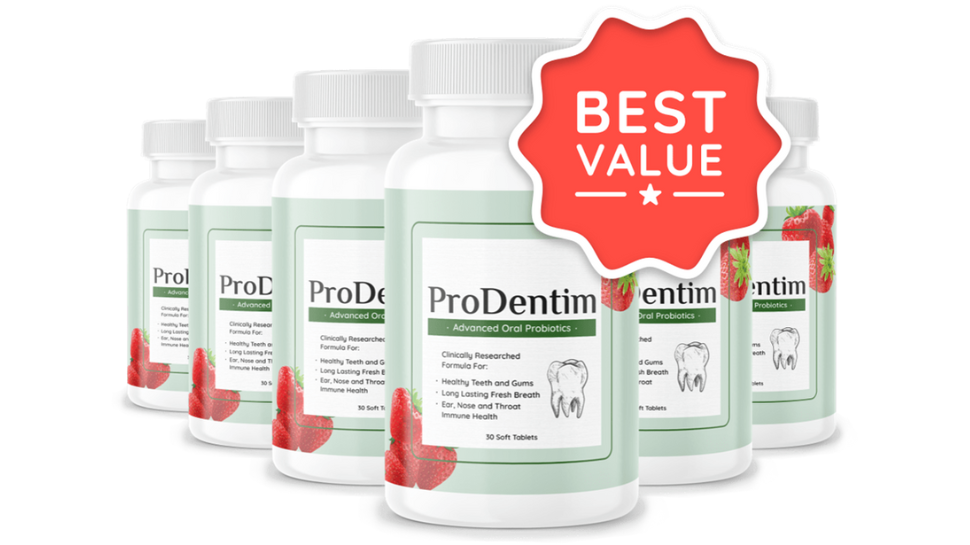
Maintaining good oral hygiene is crucial for overall health, but many people struggle with dental issues despite regular brushing and flossing. This is where prodentim , a cutting-edge oral health supplement, comes into play. Unlike conventional oral care products that primarily target surface-level hygiene, Prodentim focuses on enhancing oral health from within by leveraging beneficial probiotics and natural ingredients.

What is Prodentim?

Prodentim is a unique dietary supplement designed to support oral and dental health using a blend of probiotics, essential nutrients, and plant-based ingredients. It is formulated to restore the balance of good bacteria in the mouth, thereby promoting stronger teeth, healthier gums, and fresher breath. The supplement comes in the form of chewable tablets, making it easy to integrate into daily oral care routines.

Key Ingredients of Prodentim

The effectiveness of prodentim lies in its carefully selected ingredients, each contributing to improved oral health:

  1. Lactobacillus Paracasei – Supports gum health and helps prevent inflammation.

  2. Lactobacillus Reuteri – Reduces oral bacteria that cause bad breath and cavities.

  3. Bifidobacterium Lactis (BL-04) – Aids in balancing the mouth’s microbiome and preventing infections.

  4. BLIS K-12 and BLIS M-18 – Two powerful probiotics that improve overall oral hygiene and immune function.

  5. Inulin – A natural prebiotic that enhances probiotic growth and reduces harmful bacteria.

  6. Malic Acid – Found in fruits like apples, it helps maintain tooth whiteness.

  7. Tricalcium Phosphate – Strengthens teeth enamel and prevents decay.

  8. Peppermint and Spearmint Essential Oils – Naturally freshen breath and provide antibacterial benefits.

How Does Prodentim Work?

Prodentim works by addressing the root causes of common dental problems, such as gum disease, tooth decay, and bad breath. It promotes oral health through the following mechanisms:

  • Restoring the Oral Microbiome: Traditional toothpaste and mouthwashes often destroy both harmful and beneficial bacteria in the mouth. Prodentim replenishes beneficial bacteria to maintain a healthy balance.

  • Enhancing Gum and Teeth Health: The probiotics and essential minerals in Prodentim strengthen gums, reduce inflammation, and protect against cavities.

  • Eliminating Bad Breath: The supplement targets the bacteria responsible for unpleasant breath, ensuring long-lasting freshness.

  • Supporting Immune Function: A healthy mouth contributes to overall immunity, reducing the risk of infections and systemic health issues.

Benefits of Using Prodentim

  1. Supports Stronger Teeth and Gums – Enhances overall dental structure and reduces sensitivity.

  2. Reduces Plaque Formation – Helps prevent cavities and tooth decay.

  3. Promotes a Healthy Oral Microbiome – Balances good bacteria for improved dental health.

  4. Eliminates Bad Breath – Neutralizes odor-causing bacteria.

  5. Natural and Safe Formula – Free from artificial additives, gluten, and GMOs.

  6. Easy to Use – Comes in convenient chewable tablets.

How to Use Prodentim

For best results, take one chewable tablet daily, preferably in the morning after brushing your teeth. The supplement is designed to dissolve in the mouth to maximize probiotic absorption.

Who Can Benefit from Prodentim?

Prodentim is suitable for:

  • Individuals experiencing frequent tooth decay or gum issues.

  • People struggling with bad breath despite regular brushing.

  • Those looking for a natural alternative to improve oral health.

  • Anyone seeking to strengthen their immune system through better oral hygiene.

Are There Any Side Effects?

Prodentim is made from clinically tested, natural ingredients and is generally safe for daily use. However, individuals with specific allergies or pre-existing health conditions should consult a healthcare professional before use.

Where to Buy Prodentim

Prodentim is available for purchase on its official website and select online retailers. Buying from the official site ensures authenticity and access to discounts and refund policies.

Conclusion

Prodentim stands out as an innovative oral health supplement that goes beyond conventional dental care. By promoting a healthy oral microbiome, strengthening teeth, and freshening breath naturally, it serves as an effective addition to daily oral hygiene routines. If you're looking for a safe, natural, and science-backed solution to improve your dental health, Prodentim may be the perfect choice.

Leave a Reply

Your email address will not be published. Required fields are marked *

Related Post

Cardiology: A Comprehensive Guide to Heart Health and Advancements in TreatmentCardiology: A Comprehensive Guide to Heart Health and Advancements in Treatment

Cardiology is the branch of medicine that focuses on the diagnosis, treatment, and prevention of heart-related conditions. The heart is often referred to as the "engine" of the body, as it is responsible for circulating blood throughout the body, delivering oxygen and nutrients to organs, tissues, and cells. Given the vital role it plays, it’s no wonder that cardiovascular diseases remain a leading cause of death worldwide. As the science of cardiology evolves, treatments and technologies have advanced, offering new hope to those at risk or suffering from heart disease. In this article, we’ll explore the essential aspects of 心臟科 , common heart diseases, and the latest breakthroughs in heart disease prevention and treatment.

The Role of the Heart in the Body

The heart is a muscular organ roughly the size of a fist and is located in the chest, slightly to the left. It consists of four chambers: two atria (upper chambers) and two ventricles (lower chambers). The heart's primary function is to pump blood throughout the circulatory system. Oxygenated blood is pumped from the left ventricle to the body, while deoxygenated blood returns to the right side of the heart and is sent to the lungs for oxygenation.

The heart beats around 70 times per minute at rest, circulating blood through the arteries, veins, and capillaries, ensuring that all organs and tissues receive adequate oxygen and nutrients. Given this constant activity, the heart requires careful monitoring and protection to prevent the onset of diseases that can compromise its function.

Common Heart Diseases

Heart disease encompasses a variety of conditions that affect the heart's structure, function, or blood vessels. The most prevalent heart diseases are as follows:

1. Coronary Artery Disease (CAD)

Coronary artery disease is the result of a buildup of plaque (fatty deposits) inside the coronary arteries that supply blood to the heart muscle. Over time, plaque restricts blood flow and can lead to angina (chest pain) or even a heart attack if the arteries become completely blocked. CAD is often associated with risk factors such as high cholesterol, hypertension, smoking, and an unhealthy diet. Treatment can involve medications, lifestyle changes, or surgical interventions like coronary artery bypass surgery (CABG) or stent placement.

2. Heart Failure

Heart failure, also known as congestive heart failure, occurs when the heart is unable to pump blood effectively enough to meet the body’s needs. This doesn’t mean the heart has stopped working, but rather that its ability to pump blood is reduced. Heart failure may be caused by various factors, including coronary artery disease, high blood pressure, and valve disease. Symptoms include fatigue, shortness of breath, and fluid retention. Management typically involves medications, lifestyle modifications, and in some cases, advanced treatments like heart transplants or mechanical heart pumps.

3. Arrhythmias

An arrhythmia is a disorder in the heart's rhythm. The heart can beat too fast (tachycardia), too slow (bradycardia), or in an irregular pattern. These irregularities may cause dizziness, fainting, or even sudden cardiac arrest. Some common arrhythmias include atrial fibrillation (AFib) and ventricular tachycardia. Treatment for arrhythmias can include medications, pacemakers, or in severe cases, electrical cardioversion or catheter ablation to correct abnormal rhythms.

4. Valvular Heart Disease

The heart contains four valves that ensure blood flows in one direction through the heart's chambers. Valvular heart disease refers to conditions in which these valves become damaged or diseased, leading to inefficient blood flow. Common examples include aortic stenosis (narrowing of the aortic valve) and mitral regurgitation (leaking of the mitral valve). Treatment options range from medications to surgeries such as valve repair or replacement.

5. Hypertension (High Blood Pressure)

Hypertension is one of the most common and dangerous conditions affecting the heart. It occurs when the force of blood against the walls of the arteries is too high, placing a strain on the heart and blood vessels. Hypertension often has no obvious symptoms but is a major risk factor for other heart diseases, including heart attack and stroke. Managing high blood pressure typically involves medications, lifestyle changes, and monitoring.

6. Congenital Heart Defects

Congenital heart defects are structural problems in the heart that are present from birth. These can range from minor conditions, such as small holes between heart chambers, to more severe abnormalities that require immediate intervention. Some congenital defects are diagnosed in childhood, while others may not be identified until adulthood. Early intervention and regular monitoring can lead to positive outcomes.

The Role of Cardiologists in Heart Health

Cardiologists are medical specialists who diagnose and treat heart conditions. They possess a deep understanding of cardiovascular diseases and work with patients to manage or prevent these conditions. Cardiologists often work in collaboration with other healthcare professionals to develop comprehensive treatment plans that include both medical interventions and lifestyle changes. Key functions of cardiologists include:

  • Diagnosis: Cardiologists use advanced diagnostic tools to detect heart conditions, including electrocardiograms (ECGs), echocardiograms, stress tests, and blood tests. These help identify conditions such as arrhythmias, heart failure, and CAD.

  • Treatment: Based on the diagnosis, cardiologists develop personalized treatment plans that may include medication, lifestyle changes, or surgery. Cardiologists may prescribe antihypertensive drugs, blood thinners, or statins, depending on the condition. In some cases, they may recommend surgical procedures like angioplasty or valve repair.

  • Prevention: Cardiologists emphasize the importance of preventing heart disease by identifying risk factors early, such as high cholesterol, high blood pressure, and smoking. They provide advice on diet, exercise, and stress management to reduce the risk of cardiovascular issues.

  • Education and Monitoring: Cardiologists play a vital role in educating patients about their heart health and the importance of regular check-ups, as well as monitoring progress over time. They help patients manage chronic conditions like hypertension and diabetes, which are closely linked to heart disease.

Advancements in Cardiology

Recent technological advancements have greatly improved the ability to diagnose and treat heart diseases, leading to more effective outcomes for patients. Some of the most groundbreaking innovations include:

1. Minimally Invasive Procedures

Many heart procedures that once required open-heart surgery can now be performed using minimally invasive techniques. For example, angioplasty, which involves inserting a balloon to widen a blocked artery, is now commonly performed using catheters inserted through small incisions. These procedures generally have shorter recovery times and lower risks of complications compared to traditional surgery.

2. Wearable Technology

The rise of wearable devices such as fitness trackers and smartwatches has allowed individuals to monitor their heart rate, detect abnormal rhythms, and even alert them to potential health problems. Many modern devices also track other factors like blood oxygen levels and sleep patterns, offering patients and healthcare providers valuable real-time data to manage cardiovascular health.

3. Artificial Intelligence (AI) in Cardiology

Artificial intelligence has begun to revolutionize cardiology. AI algorithms are being used to analyze vast amounts of patient data, including medical imaging, to identify early signs of heart disease. These technologies improve diagnostic accuracy and help cardiologists make more informed decisions.

4. Gene Therapy and Stem Cells

Researchers are exploring gene therapy and stem cell treatments to regenerate damaged heart tissue and correct genetic mutations that contribute to heart disease. Although still in the experimental stages, these therapies hold the potential to transform the treatment of heart conditions, especially in cases of severe heart failure.

Preventing Heart Disease: Key Lifestyle Changes

While medical treatments and technological innovations have made significant progress, the best way to protect your heart is through prevention. Making healthy lifestyle choices can drastically reduce your risk of developing cardiovascular diseases. Here are some key preventive measures:

1. Exercise Regularly

Physical activity strengthens the heart, reduces stress, and helps control weight, blood pressure, and cholesterol. Cardiologists recommend at least 150 minutes of moderate-intensity exercise per week.

2. Eat a Heart-Healthy Diet

A balanced diet is crucial for heart health. Consuming a diet rich in fruits, vegetables, whole grains, lean proteins, and healthy fats can help lower cholesterol and blood pressure. Reducing salt intake, avoiding trans fats, and eating more fiber can also contribute to better cardiovascular health.

3. Quit Smoking

Smoking is one of the leading causes of cardiovascular disease, as it damages blood vessels and reduces the amount of oxygen available to the heart. Quitting smoking is one of the most effective ways to reduce the risk of heart disease.

4. Manage Stress

Chronic stress can negatively affect the heart by contributing to high blood pressure and unhealthy behaviors like overeating or smoking. Incorporating stress-reducing activities such as yoga, meditation, or deep breathing exercises can benefit both mental and cardiovascular health.

5. Regular Health Check-ups

Regular visits to a cardiologist or primary care provider for routine screenings can help identify risk factors like high blood pressure, high cholesterol, and diabetes. Early detection allows for timely intervention and better management of heart disease risks.

Conclusion

Cardiology is a critical field of medicine that plays a pivotal role in diagnosing, treating, and preventing heart disease. As cardiovascular diseases continue to be a major health concern worldwide, advancements in medical technology, preventive care, and treatment options offer hope for better outcomes. By adopting healthy lifestyle habits and seeking regular medical care, individuals can significantly reduce their risk of heart disease and maintain a healthy heart throughout their lives.

What Certifications Medical Equipment Must Have?What Certifications Medical Equipment Must Have?

In today’s rapidly evolving healthcare landscape, the importance of medical equipment that meets stringent certification standards cannot be overstated. Every device, from the simplest tool to the most advanced machinery, must undergo rigorous scrutiny to guarantee safety, efficacy, and reliability. Imagine a world where uncertified or subpar medical devices jeopardize patient care — a risk no healthcare provider can afford.

Whether it’s ensuring compliance with international regulations or meeting regional mandates, certifications serve as the vital seal of approval that distinguishes trusted devices from mere gadgets.

For hospitals and clinics, especially those relying on Medical equipments delivery in Plano texas, securing certified equipment is more than a regulatory checkbox — it’s a commitment to quality and patient safety. These certifications, such as ISO 13485 or CE marking, validate that the device has passed comprehensive testing and adheres to strict manufacturing protocols.

With the healthcare sector’s high stakes, possessing certified equipment translates to peace of mind, superior outcomes, and legal compliance.

Understanding the certifications medical equipment must have is essential for providers, suppliers, and patients alike, driving the healthcare industry toward a safer, more dependable future. Now is the time to explore what it takes for medical devices to earn this indispensable badge of trust.

Why Are Certifications Important for Medical Equipment?

Ensuring Patient Safety

The first and foremost reason for certification is patient safety. Every piece of medical equipment must meet strict standards to ensure it does not harm the patient during diagnosis or treatment. Certified equipment undergoes rigorous testing for durability, accuracy, and reliability.

Regulatory Compliance

Governments and health authorities around the world mandate certifications to regulate the manufacture and distribution of medical equipment. This regulatory oversight helps prevent counterfeit, substandard, or unsafe devices from entering the healthcare system.

Quality Assurance

Certifications guarantee that the medical equipment is built and functions according to internationally recognized quality standards. This assures hospitals and healthcare providers that the equipment will perform consistently over its intended lifespan.

Enhancing Market Access

For manufacturers and distributors, having the right certifications opens doors to global markets. Many countries require specific certifications before allowing medical equipment to be sold within their borders.

Key Certifications Medical Equipment Must Have

The certifications required for medical equipment vary depending on the device type, country of sale, and intended use. However, some certifications are globally recognized and form the backbone of the regulatory landscape.

1. FDA Approval (U.S. Food and Drug Administration)

The FDA is one of the most important regulatory bodies globally, especially in the United States. For many types of medical equipment, FDA approval is mandatory before they can be marketed.

  • What is FDA Approval?

    FDA approval means the equipment has been rigorously tested and meets safety and efficacy standards set by the FDA.

  • Who Needs FDA Approval?

    Devices that are classified as Class II (moderate risk) and Class III (high risk), such as pacemakers or MRI machines, typically require FDA clearance.

  • FDA Clearance vs. Approval:

    FDA clearance (via 510(k) process) shows that the equipment is substantially equivalent to a legally marketed device. Approval is required for high-risk devices through a more stringent Premarket Approval (PMA) process.

2. CE Marking (Conformité Européenne)

In Europe, the CE mark is a symbol that a product complies with EU safety, health, and environmental requirements.

  • What is the CE Mark?

    CE marking is mandatory for most medical equipment sold within the European Economic Area (EEA).

  • How is CE Mark Obtained?

    Manufacturers must demonstrate conformity with the Medical Device Regulation (MDR) or In Vitro Diagnostic Regulation (IVDR) through testing and documentation.

  • Significance:

    CE marking allows free circulation within the EU and signals compliance with stringent safety standards.

3. ISO Certifications (International Organization for Standardization)

ISO standards are not regulatory approvals but internationally accepted quality management benchmarks.

  • ISO 13485

    This is the most relevant standard for medical equipment manufacturers, focusing on quality management systems specific to medical devices.

  • ISO 14971

    This standard deals with risk management for medical devices, guiding manufacturers on how to identify and mitigate risks.

  • Why ISO Matters

    Many regulatory bodies expect or require compliance with ISO standards as part of the certification process.

4. UL Certification (Underwriters Laboratories)

UL certification is primarily about electrical safety, which is crucial for many medical equipment devices.

  • What Does UL Do?

    UL tests electrical products to ensure they meet safety standards to prevent risks like shocks or fires.

  • Scope

    Most electrically powered medical equipment will require UL or equivalent certification.

5. Health Canada Medical Device Licensing

For the Canadian market, Health Canada regulates medical equipment through its Medical Devices Bureau.

  • Classifications

    Devices are classified from Class I (low risk) to Class IV (highest risk), with licensing required for Class II-IV devices.

  • License Requirements

    Manufacturers must submit detailed information and clinical evidence for licensing.

6. TGA Certification (Therapeutic Goods Administration) – Australia

The TGA oversees the regulation of medical equipment in Australia.

  • Regulatory Requirements

    Similar to other regulators, TGA requires compliance with safety and performance standards.

  • Device Classification

    Devices are classified into classes I to III and must meet specific regulatory pathways.

7. Other Regional Certifications

  • ANVISA (Brazil)
  • PMDA (Japan)
  • SFDA (Saudi Arabia)
  • KFDA (South Korea)

Each country has its own certification authority and requirements that manufacturers must meet to sell medical equipment locally.

The Certification Process: Step-by-Step

Step 1: Device Classification

Classifying the device based on risk is crucial. Class I devices (low risk) often face minimal regulatory hurdles, while Class III devices (high risk) undergo extensive scrutiny.

Step 2: Quality Management System Implementation

Manufacturers must implement a quality management system (QMS) that meets standards like ISO 13485 to ensure consistent quality.

Step 3: Product Testing and Evaluation

The device undergoes rigorous testing, including performance, safety, and biocompatibility tests. Documentation of all testing is critical.

Step 4: Submission of Regulatory Application

Manufacturers submit the required documentation to the regulatory body, such as FDA or notified bodies in Europe.

Step 5: Review and Inspection

Regulatory authorities review the submission and may conduct factory inspections to verify compliance.

Step 6: Certification Issuance

Upon successful review, the certification or approval is granted, allowing the product to be marketed legally.

Common Challenges in Medical Equipment Certification

Complex Regulatory Landscape

Navigating multiple certifications for different countries can be daunting. Each region has unique rules that require expertise.

Time-Consuming Process

Certification can take months to years depending on device complexity and regulatory body workload.

High Costs

Testing, documentation, and compliance can be expensive, especially for small manufacturers.

Maintaining Certification

Post-market surveillance, quality audits, and re-certifications are ongoing requirements to maintain compliance.

How to Verify Medical Equipment Certifications

Check Official Databases

Regulatory agencies provide online databases where you can verify the status of device certifications.

  • FDA’s database for cleared and approved devices.
  • European Database on Medical Devices (EUDAMED) for CE-marked devices.
  • Health Canada’s licensed device list.

Request Certification Documents

Suppliers and manufacturers should provide certificates on request. Always ask for copies of the FDA clearance letter, CE certificate, or ISO certificates.

Look for Labeling on Devices

Certified medical equipment typically has labeling showing the certification marks (e.g., FDA logo, CE mark) along with registration numbers.

Why Choosing Certified Medical Equipment Matters to You

For Healthcare Providers

Using certified devices reduces risks of malfunctions, protects patient safety, and ensures compliance with legal requirements.

For Patients

Certified devices are tested to be safe and effective, offering reassurance during treatments and diagnostics.

For Suppliers and Manufacturers

Certification boosts credibility, opens international markets, and builds trust with customers.

Future Trends in Medical Equipment Certification

Increasing Global Harmonization

Efforts like the International Medical Device Regulators Forum (IMDRF) aim to align certification standards across countries to simplify processes.

Digital and Cybersecurity Certifications

With connected devices and IoT medical equipment on the rise, cybersecurity certifications are becoming crucial.

Faster Regulatory Pathways

Some agencies are developing expedited pathways for innovative or critical medical devices without compromising safety.

Conclusion

Navigating the certification landscape for medical equipment is an essential but complex task that directly impacts patient safety and healthcare quality. Certifications like FDA approval, CE marking, ISO standards, and UL certification ensure that devices meet stringent safety and performance criteria. These certifications act as a global language of trust, allowing healthcare providers to confidently choose devices that have passed rigorous evaluation.

Whether you are a healthcare professional, supplier, or manufacturer, understanding what certifications medical equipment must have empowers you to make informed, responsible decisions. Always prioritize certified devices to safeguard lives and uphold the highest standards in healthcare.

Remember, behind every certified piece of medical equipment lies a rigorous process designed to protect and save lives. Choose wisely, choose certified.

FAQs about Medical Equipment

What are the standard for medical device certification?

Medical device certification standards are guidelines and rules that ensure medical equipment is safe, effective, and reliable before it can be used in healthcare settings. These standards vary by country but generally include strict testing for quality, safety, and performance.

The certification process often requires manufacturers to provide detailed documentation and evidence that their devices meet these regulations. This helps protect patients and healthcare workers by making sure the devices work properly and do not cause harm.

Standards usually involve several steps such as design controls, risk management, manufacturing practices, and post-market surveillance. This means manufacturers must not only build safe devices but also keep monitoring their products after they are sold. Compliance with these standards is often required by law for a medical device to be sold in many countries.

What is a CE certification for medical equipment?

CE certification is a mark that shows a medical device meets the safety, health, and environmental protection requirements set by the European Union (EU). The letters "CE" stand for "Conformité Européenne," which means European Conformity. When a medical device has this mark, it means it can be legally sold and used within the European Economic Area (EEA), which includes all EU member countries plus a few others.

To get CE certification, manufacturers must prove that their device meets the EU’s strict standards, which include testing, quality management, and safety checks. This process often involves an independent body called a notified body, which reviews the product and its documentation. The CE mark assures users that the medical equipment complies with important regulations, providing confidence in its safety and performance.

What is the best medical certification to get?

The best medical certification to get depends on the type of device and the markets where you want to sell it. However, some of the most recognized and valuable certifications globally are ISO 13485 and CE certification for Europe, as well as FDA approval for the United States. ISO 13485 focuses on quality management systems specifically for medical device manufacturers, ensuring the highest standards in production and safety. CE certification allows you to access European markets, which have strict safety rules.

For medical devices sold in the U.S., FDA approval is often considered essential because it confirms that the device meets the U.S. Food and Drug Administration's standards for safety and effectiveness. Getting these certifications not only opens up many markets but also builds trust with healthcare providers and patients.

What is the ISO standard for medical equipment?

The ISO standard for medical equipment usually refers to ISO 13485, which is an international standard that defines the requirements for a quality management system specific to the medical device industry. This standard helps manufacturers design, produce, and deliver medical devices that consistently meet customer and regulatory requirements. It covers everything from the design and development process to production, installation, and servicing.

ISO 13485 ensures that companies have strong controls over their manufacturing processes and documentation, reducing risks associated with medical devices. By following this standard, companies can improve product safety and performance, which is critical in the healthcare field. Many countries recognize ISO 13485 certification as proof that a company follows internationally accepted best practices.

What is 13485 certification?

ISO 13485 certification is an official recognition that a medical device manufacturer has a quality management system that meets the requirements of the ISO 13485 standard. This certification shows that the company consistently produces medical devices that are safe, reliable, and meet customer and regulatory demands. It covers all aspects of production, including design, development, manufacturing, and servicing.

Obtaining ISO 13485 certification involves a thorough audit by an independent certification body. The company must demonstrate effective control over its processes, proper documentation, and continuous improvement efforts. This certification is important because it increases customer confidence, helps with regulatory approvals, and is often required to enter many international markets.

Why See A Gynaecologist Before You Are Pregnant?Why See A Gynaecologist Before You Are Pregnant?

Have you ever wondered why so many women visit a gynaecologist before even planning to conceive? In a world where pregnancy is often celebrated as a beautiful beginning, many forget that this journey starts long before the baby bump. Seeing a gynaecologist before pregnancy could be the single most important step you take for your health, your baby’s health, and your peace of mind.

When couples decide to start a family, their focus usually shifts to healthy diets, prenatal vitamins, and lifestyle changes. While those are essential, pre-pregnancy care with a qualified gynaecologist ensures you’re physically and emotionally ready. In fact, modern research highlights that preconception visits drastically reduce risks of complications, fertility struggles, and even neonatal health problems.

Imagine knowing that your body is perfectly prepared, your hormone levels balanced, and your medical history thoroughly reviewed before you even try to conceive. This proactive step empowers you, gives you clarity, and helps prevent avoidable problems. And if you live in Pakistan, consulting the Best Gynaecologist In Karachi before planning pregnancy can make all the difference between a stressful journey and a smooth, joyful one.

Don’t wait for the positive pregnancy test to seek help. Start early. This guide will walk you through why seeing a gynaecologist before pregnancy is crucial, what you can expect during your appointment, and how to find the Best Gynaecologist In Karachi to guide you every step of the way.


Why Pre-Pregnancy Care Matters

Understanding Preconception Health

Preconception health is all about preparing your body for the demands of pregnancy. A woman’s health before conception has a direct impact on fertility, the chances of a healthy pregnancy, and the well-being of her baby. Gynaecologists play a central role in identifying risks, providing advice, and ensuring your body is truly ready for this next phase.

Common Misconceptions

Many women believe they only need a doctor once they are already expecting. This misconception often leads to missed opportunities for early intervention. Conditions like thyroid issues, polycystic ovary syndrome (PCOS), or nutritional deficiencies can go undetected and silently complicate pregnancy. Visiting the Best Gynaecologist In Karachi beforehand means you address these concerns proactively.


Benefits of Visiting a Gynaecologist Before Pregnancy

1. Comprehensive Health Assessment

A gynaecologist will review your complete health history, including:

  • Menstrual cycles

  • Fertility concerns

  • Past medical conditions

  • Family history of genetic disorders

Such assessments allow early detection of conditions that may hinder conception or affect pregnancy outcomes.

2. Addressing Fertility Concerns

Not every woman conceives easily. Fertility challenges affect many couples, and often the root causes lie in hormonal imbalances, blocked fallopian tubes, or lifestyle factors. A pre-pregnancy visit can identify potential challenges, giving you time to treat them.

3. Genetic Counseling and Screening

Some health issues are hereditary. A gynaecologist may recommend genetic testing to assess risks for conditions like thalassemia, cystic fibrosis, or sickle cell anemia. Couples in Pakistan often seek such advice from the Best Gynaecologist In Karachi due to higher awareness of genetic risks.

4. Vaccination Updates

Vaccinations such as rubella, hepatitis B, and tetanus are vital before conception. A gynaecologist ensures your immunity is up-to-date, reducing the risk of infections that could harm your pregnancy.

5. Nutritional Guidance

Nutritional deficiencies, particularly of folic acid, iron, and vitamin D, can impact pregnancy outcomes. A gynaecologist will assess your dietary needs and recommend supplements well in advance.

6. Managing Chronic Conditions

Conditions such as diabetes, hypertension, and thyroid disorders must be stabilized before conception. Regular monitoring and treatment adjustments under the care of the Best Gynaecologist In Karachi can significantly improve pregnancy safety.


The Role of Lifestyle in Preconception Care

Importance of Lifestyle Choices

Your lifestyle directly affects fertility and pregnancy. Gynaecologists emphasize:

  • Maintaining a healthy weight

  • Avoiding smoking and alcohol

  • Reducing stress through yoga or meditation

  • Ensuring adequate sleep

Diet and Exercise

A well-balanced diet and regular exercise regulate hormones and prepare the body for conception. The Best Gynaecologist In Karachi often collaborates with dieticians to create customized nutrition plans for women planning pregnancy.


What to Expect During a Pre-Pregnancy Appointment

Step 1: Medical and Family History Review

Your doctor will ask about your periods, sexual health, prior pregnancies (if any), and family medical history. This creates a complete picture of your reproductive health.

Step 2: Physical Examination

A pelvic exam may be conducted to check for any abnormalities in the uterus or ovaries.

Step 3: Laboratory Tests

Blood tests for anemia, thyroid levels, and infections are common. Some women may also require hormone tests or ultrasounds.

Step 4: Personalized Plan

Based on the findings, your gynaecologist creates a personalized roadmap to ensure your body is prepared for pregnancy.


Why See the Best Gynaecologist in Karachi?

Expertise and Advanced Facilities

Karachi is home to some of Pakistan’s top healthcare facilities. The Best Gynaecologist In Karachi combines years of experience with access to advanced diagnostic tools, offering you world-class preconception care.

Addressing Cultural and Regional Health Needs

Women in Pakistan often face unique health challenges such as nutritional deficiencies, high rates of anemia, and limited awareness of genetic conditions. Local experts are well-equipped to address these specific issues.

Emotional Support and Counseling

Beyond medical expertise, the Best Gynaecologist In Karachi provides emotional support, guiding couples through fears, misconceptions, and the emotional aspects of planning a pregnancy.


Common Conditions Detected Before Pregnancy

Polycystic Ovary Syndrome (PCOS)

One of the most common reasons for fertility struggles, PCOS affects hormonal balance and ovulation. Detecting it early allows management through lifestyle changes and medication.

Endometriosis

This condition can cause pain and fertility challenges. A gynaecologist can identify symptoms early and recommend treatment options.

Thyroid Disorders

Both hypothyroidism and hyperthyroidism can complicate pregnancy if left untreated. Pre-pregnancy screening ensures proper management.

Anemia

Iron deficiency is widespread among Pakistani women. Addressing it before pregnancy prevents risks like low birth weight or preterm delivery.


Emotional and Mental Health Preparation

Stress Management

Emotional health is just as important as physical health. A gynaecologist can recommend therapy, counseling, or relaxation techniques for women struggling with stress or anxiety.

Relationship Counseling

Some couples benefit from pre-pregnancy counseling sessions that align expectations and address concerns about parenting, finances, or family planning.


Finding the Right Gynaecologist

Research and Recommendations

Start by asking family and friends for referrals. Online reviews and patient testimonials also provide insights.

Specialization and Experience

Look for doctors with extensive experience in fertility and preconception care. The Best Gynaecologist In Karachi will typically have a strong record in managing high-risk cases.

Accessibility and Comfort

Choose someone who listens to you, answers your questions, and makes you feel comfortable. The bond with your gynaecologist is essential for a positive experience.


Practical Steps Before Visiting a Gynaecologist

  1. Track your menstrual cycle – Bring records of your cycle length, flow, and symptoms.

  2. List current medications – Share any prescriptions or supplements you take.

  3. Discuss family medical history – Note hereditary conditions like diabetes or heart disease.

  4. Prepare questions – Ask about fertility, genetic testing, diet, or lifestyle changes.


FAQs About Seeing a Gynaecologist Before Pregnancy

Do I need to see a gynaecologist if I’m healthy?

Yes. Even healthy women may have underlying issues that affect pregnancy outcomes.

How far in advance should I book my appointment?

Ideally, 3–6 months before trying to conceive. This gives enough time to address any health concerns.

What if I’m over 35?

Age increases pregnancy risks. Women over 35 benefit greatly from pre-pregnancy consultations to ensure safer outcomes.

Can my partner also attend the visit?

Absolutely. Many gynaecologists encourage couples to attend together for joint health planning.


Conclusion

Pregnancy is a life-changing journey, but it begins long before conception. By consulting a gynaecologist beforehand, you take charge of your health, minimize risks, and prepare both body and mind for a healthy pregnancy. From managing chronic conditions and updating vaccinations to nutritional guidance and emotional support, the benefits are countless.

For women in Pakistan, consulting the Best Gynaecologist In Karachi ensures world-class care tailored to cultural and regional needs. Don’t wait for complications to arise—be proactive, be informed, and invest in your health today for the well-being of your future family.

Why Early Autism Therapy Is So Important For Kids?Why Early Autism Therapy Is So Important For Kids?

Imagine a world where a child’s potential is fully realized, where communication barriers dissolve, and where confidence blooms in even the smallest daily victories. Early intervention in autism isn’t just a helpful option—it can be a transformative lifeline.

Studies increasingly reveal that children who receive timely support experience profound improvements in social, cognitive, and emotional development. The critical window of the early years is fleeting, making every moment a chance to empower growth. Programs rooted in Applied Behavior Analysis Canada have demonstrated remarkable success, using evidence-based techniques to nurture skills, reinforce positive behaviors, and reduce challenging patterns before they become entrenched.

Parents and caregivers often witness subtle breakthroughs—a first word, a shared glance, a newly formed connection—that ripple into lifelong benefits. The reality is compelling: waiting delays progress, while proactive therapy cultivates resilience, independence, and meaningful social engagement.

For families navigating the complexities of autism, early therapy is more than an intervention; it is an investment in potential. Choosing to act now can redefine a child’s trajectory, turning uncertainty into opportunity, and laying the foundation for a thriving, confident future.

Understanding Autism Spectrum Disorder

What Is Autism?

Autism spectrum disorder is a neurodevelopmental condition that affects how children perceive, communicate, and interact with the world. While no two children experience autism in the same way, common characteristics include:

  • Difficulty in understanding social cues and forming relationships

  • Challenges in verbal and non-verbal communication

  • Repetitive behaviors, routines, or interests

  • Sensory sensitivities, such as aversions to certain sounds, textures, or lights

Autism exists on a spectrum, meaning the severity and combination of traits vary widely. Early identification and intervention are crucial because they can address challenges before they become more ingrained.

Why Early Detection Matters

The earlier autism is detected, the more effective therapy can be. Pediatricians, parents, and educators often notice early warning signs between 12 and 24 months, such as delayed speech, limited eye contact, or difficulty responding to their name. Early detection allows children to access targeted therapies at a stage when their brains are most malleable.

Studies show that children who begin therapy before the age of three often make remarkable progress compared to those who start later. This is because early intervention leverages the natural plasticity of the young brain, helping it adapt and learn in ways that are more challenging in later years.

Benefits of Early Autism Therapy

Cognitive Development

One of the most profound benefits of early autism therapy is its impact on cognitive development. Structured interventions, such as Applied Behavior Analysis (ABA) or developmental therapies, help children acquire essential thinking and problem-solving skills. By introducing learning in small, manageable steps, children can improve attention, memory, and processing abilities.

Children with autism often benefit from visual supports, repetition, and clear routines. Early therapy provides these tools in a structured manner, allowing children to make steady gains in understanding the world around them. Cognitive improvements are often accompanied by increased confidence and curiosity, further encouraging engagement in learning activities.

Communication Skills

Communication is at the heart of human interaction. Children with autism may struggle with verbal expression, understanding language, or interpreting non-verbal cues. Early therapy focuses on these areas through strategies such as speech therapy, augmentative and alternative communication (AAC) devices, and social skills training.

For instance, speech-language pathologists help children develop functional communication, from basic gestures to complex sentences. The sooner these skills are introduced, the more likely children are to interact effectively with peers, teachers, and family members. Early improvements in communication can also reduce frustration and behavioral challenges, fostering a more positive learning environment.

Social and Emotional Growth

Social engagement is often a significant challenge for children with autism. Early therapy addresses these issues through structured play, peer interaction, and role-playing activities that teach empathy, turn-taking, and perspective-taking.

By participating in social skills programs, children learn how to form friendships, respond to social cues, and manage emotions. These early experiences are critical because they lay the foundation for lifelong relationships and emotional well-being. Children who receive therapy early are more likely to navigate social situations successfully, reducing isolation and enhancing overall quality of life.

Behavioral Management

Many children with autism exhibit challenging behaviors, including tantrums, aggression, or self-injury. Early intervention includes behavioral therapy, which helps children develop coping mechanisms and adaptive behaviors.

Techniques such as positive reinforcement, structured routines, and sensory integration therapy can reduce problem behaviors while teaching appropriate ways to communicate needs and emotions. Early behavioral management not only improves daily functioning but also reduces stress for families, making home and school environments more harmonious.

Effective Early Autism Therapies

Applied Behavior Analysis (ABA)

ABA is one of the most widely recognized therapies for autism. It uses principles of learning and reinforcement to teach skills and reduce challenging behaviors. ABA programs are highly individualized and focus on measurable outcomes, making it easier to track progress.

Speech and Language Therapy

Speech and language therapy is essential for children struggling with communication. Therapists work on articulation, vocabulary, social language skills, and comprehension. Augmentative communication devices, such as tablets or picture exchange systems, can also enhance expression.

Occupational Therapy

Occupational therapy addresses sensory sensitivities, fine motor skills, and daily living activities. Through guided exercises and adaptive techniques, children gain independence in tasks such as dressing, feeding, and self-care.

Developmental, Individual Difference, Relationship-Based (DIR/Floortime)

DIR/Floortime emphasizes emotional and relational development through play and interaction. Therapists engage children at their current developmental level and encourage progressive social and emotional growth.

Parent-Mediated Interventions

Parents are critical partners in therapy. Training caregivers to implement strategies at home reinforces skills learned in therapy sessions and promotes consistency across environments. Early involvement of parents enhances outcomes and empowers families.

Creating an Individualized Therapy Plan

Assessment and Goal Setting

Every child with autism is unique, making individualized therapy plans essential. Comprehensive assessments by multidisciplinary teams evaluate cognitive, behavioral, sensory, and social-emotional needs. Goals are then set based on the child’s strengths and challenges, ensuring targeted, meaningful intervention.

Monitoring Progress

Regular evaluation and adjustment of therapy plans are vital. Therapists track skill acquisition, behavioral improvements, and social engagement to refine strategies and ensure continued progress. Consistent monitoring allows interventions to remain effective and responsive to the child’s evolving needs.

Integrating Therapy into Daily Life

For therapy to be most effective, it should extend beyond structured sessions. Parents and caregivers can incorporate learning into everyday routines, such as mealtime, playtime, and community activities. This integration reinforces skills, promotes generalization, and strengthens family bonds.

Challenges and How to Overcome Them

Accessibility and Cost

Accessing quality therapy can be challenging due to cost, location, or availability of trained professionals. Families may need support in navigating insurance coverage, community resources, or early intervention programs. Nonprofit organizations and local agencies often provide financial assistance or sliding-scale services.

Emotional Strain on Families

Caring for a child with autism can be emotionally demanding. Parents may experience stress, guilt, or uncertainty. Early therapy programs often include counseling or parent support groups to provide emotional support, guidance, and practical strategies.

Ensuring Consistency

Consistency is critical for success. Families should collaborate with therapists to maintain routines and reinforcement strategies across home, school, and community settings. Even small, consistent efforts can have a profound impact on a child’s progress.

The Long-Term Impact of Early Autism Therapy

Academic Achievement

Children who receive early therapy are better prepared for school. Improved communication, cognitive skills, and social competence allow them to participate more fully in classroom activities, build friendships, and achieve academic milestones.

Independence and Life Skills

Early intervention fosters independence in daily living skills, from self-care to problem-solving. Children gain confidence in their abilities, leading to greater autonomy and reduced reliance on caregivers.

Enhanced Quality of Life

Perhaps most importantly, early therapy enhances the overall quality of life for children and their families. Children develop meaningful relationships, pursue interests and hobbies, and experience a sense of accomplishment. Families benefit from reduced stress, stronger bonds, and increased optimism about the future.

Practical Tips for Parents

  • Seek early evaluation: Don’t wait if you notice developmental concerns. Early diagnosis opens the door to intervention.

  • Research therapy options: Learn about ABA, speech therapy, occupational therapy, and other evidence-based approaches.

  • Involve the family: Consistency across home and school environments strengthens learning.

  • Track progress: Keep detailed records of milestones, challenges, and behavioral changes.

  • Build a support network: Connect with parent groups, advocacy organizations, and professionals for guidance and encouragement.

Conclusion

The benefits of early autism therapy cannot be overstated. By addressing cognitive, communication, social, and behavioral challenges at the earliest possible stage, children with autism gain the skills, confidence, and independence needed to thrive. Early intervention offers hope, not just for improved developmental outcomes, but for enriched quality of life for the entire family.

As parents, caregivers, and educators, the goal is clear: provide children with the support they need when it matters most. Each child’s journey is unique, and every early intervention, no matter how small, lays the foundation for a brighter, more empowered future. By embracing early therapy, we are not just responding to challenges—we are unlocking potential, nurturing growth, and enabling children with autism to flourish in ways that were once unimaginable.

The time to act is now. Don’t wait for progress—create it. Early intervention is not merely an option; it is a lifeline that transforms lives, one skill, one interaction, one breakthrough at a time.

Slot Game Online Best Free Spins OffersSlot Game Online Best Free Spins Offers

When it comes to finding the best free spins offers in online slot games, you’ve got plenty of options at your fingertips. Reputable casinos like Betway, 888 Casino, and LeoVegas often roll out enticing promotions that can boost your gaming without putting your wallet at risk. But before you dive in, understanding the fine print can make a significant difference. Let’s explore how you can maximize these offers for a more rewarding experience.

Top Online Casinos Offering Free Spins

When it comes to online gaming, many players seek out the best platforms offering free spins to enhance their experience.

You’ll want to explore top online casinos that provide generous free spin offers, allowing you to try various slot games without risking your own money. Look for casinos with a solid reputation, user-friendly interfaces, and a wide range of games.

Sites like Betway, 888 Casino, and LeoVegas often feature exciting promotions that can boost your gameplay. Pay attention to the terms and conditions, such as wagering requirements, to ensure you maximize your benefits.

Exclusive Free Spins Promotions for New Players

Many online casinos go the extra mile to attract new players with exclusive free spins promotions. When you sign up, these offers often let you spin the reels without dipping into your wallet.

You might find packages that give you dozens of free spins on popular slot games, allowing you to explore the casino’s offerings risk-free. Some casinos even pair these spins with a generous welcome bonus, boosting your initial bankroll.

The key is to read the terms and conditions carefully; you’ll want to know about wagering requirements and eligible games. Taking advantage of these promotions not only enhances your gaming experience but also increases your chances of winning real money without any upfront investment.

Best Free Spins Deals for Existing Players

While exclusive free spins are often marketed to new players, existing players can also enjoy fantastic deals that keep the excitement alive. Many online casinos offer loyalty programs where you can earn points and convert them into free spins.

Additionally, keep an eye on seasonal promotions or special events, as these often include targeted free spins for existing players.

Don’t forget to check your email and casino notifications regularly, as you might receive personalized offers tailored just for you.

How to Maximize Your Free Spins for Bigger Wins

To maximize your free spins and boost your chances of landing bigger wins, focus on selecting games that offer the highest return to player (RTP) percentages. Look for slots with an RTP of 96% or higher, as these typically provide better odds.

Pay attention to the volatility of the games too; low to medium volatility slots can offer more frequent wins, which is great when you’re using free spins.

Additionally, consider the bonus features available, such as expanding wilds or multipliers, which can enhance your winning potential.

Lastly, manage your bankroll wisely. Set limits on how much you’re willing to risk, and make sure to enjoy the experience while maximizing those free spins for bigger rewards!

Tips for Choosing the Right Slot Games With Free Spins

Choosing the right 7m cn games with free spins can significantly enhance your gaming experience and boost your chances of winning.

Start by checking the game’s volatility; low volatility slots provide frequent wins, while high volatility ones offer bigger payouts but less often. Look for games with a high return-to-player (RTP) percentage, as these typically give back more in the long run.

Pay attention to the number of free spins offered and any additional bonuses, like multipliers or wild symbols. Don’t forget to read reviews and try out demo versions to find what you enjoy.

Finally, ensure the game aligns with your budget and playing style, so you can maximize your fun while spinning those reels!

Conclusion

In conclusion, finding the best free spins offers can significantly enhance your online slot experience. By choosing reputable casinos like Betway, 888 Casino, and LeoVegas, you can take advantage of exciting promotions. Remember to keep an eye on the terms and conditions, especially wagering requirements. Plus, selecting games with high RTP and favorable volatility can boost your winning potential. So, dive in, explore these offers, and enjoy the thrill of spinning the reels without the financial risk!