
In industries where safety is non-negotiable, the role of specialized equipment like the explosion proof liquid level sensor becomes indispensable. Designed to operate in environments where flammable gases, vapors, or dust pose explosion risks, these sensors are the backbone of safe and efficient liquid level monitoring. From oil refineries to chemical plants, their ability to provide accurate measurements while adhering to stringent safety standards makes them a critical component of industrial automation.
Modern explosion-proof sensors combine advanced technology with robust design to deliver precision and reliability in the most challenging conditions. Their non-contact measurement techniques, such as those employed by the ultrasonic level meter, eliminate direct interaction with liquids, significantly reducing the risk of sparking or other ignition sources.
Understanding the principles behind these sensors and their applications is key to leveraging their full potential. This article explores the essential features, safety mechanisms, and industrial applications of explosion-proof liquid level sensors, highlighting how they contribute to operational safety and efficiency.
Key Features and Safety Mechanisms of Explosion-Proof Liquid Level Sensors
Explosion-proof liquid level sensors are engineered with multiple safety features to ensure they operate reliably in hazardous environments. Their design prioritizes both functionality and safety, making them suitable for applications where failure is not an option.
- Containment of Internal Explosions: These sensors are designed with enclosures capable of withstanding internal explosions. Materials like cast aluminum or stainless steel provide the necessary strength to contain any potential explosion, preventing the ignition of the surrounding atmosphere.
- Explosion-Proof Enclosures: Certified to safety standards such as Class I, Division 1 (Zone 0), these enclosures prevent sparks or flames from escaping into the environment. They are rigorously tested to ensure compliance with international regulations like ATEX, FM, and UL.
- Energy Limitation: Many sensors incorporate energy-limiting features, such as low-power operation or intrinsically safe barriers. These measures reduce the risk of ignition even if a spark occurs within the hazardous area.
- Material and Construction: Durability is a priority, with materials selected for their resistance to corrosion and ability to withstand extreme temperatures and pressures. Fully sealed stainless steel bodies, for example, ensure long-term reliability in harsh conditions.
- Non-Contact Measurement: Techniques like ultrasonic or radar avoid direct contact with liquids, minimizing wear and tear while eliminating potential ignition sources. This approach also reduces maintenance requirements and extends the sensor's operational lifespan.
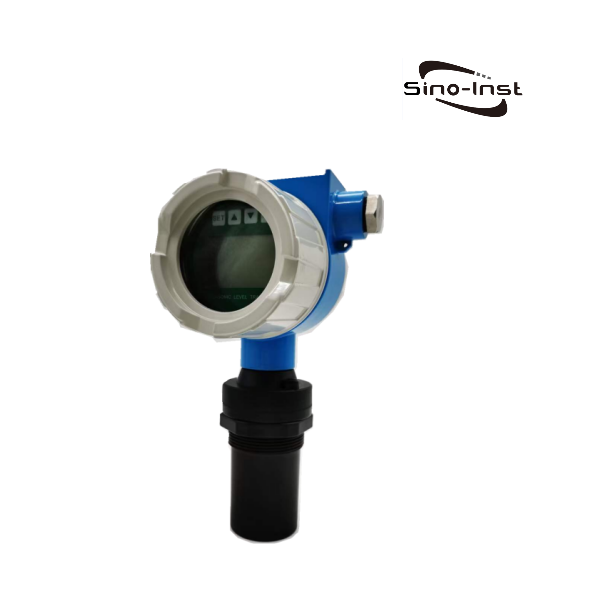
The integration of these features ensures that explosion-proof sensors not only meet but exceed safety expectations. Their ability to operate effectively in environments where traditional sensors would fail makes them an essential investment for industries handling volatile substances.
"In hazardous environments, the difference between a standard sensor and an explosion-proof sensor can be the difference between operational success and catastrophic failure."
When selecting an explosion-proof sensor, it's crucial to consider the specific demands of the application. Factors such as measurement range, material compatibility, and environmental conditions must align with the sensor's capabilities. For instance, the ultrasonic level meter offers high precision with a liquid level accuracy of 0.3%, making it ideal for applications requiring minimal error margins.
Applications Across Industries
The versatility of explosion-proof liquid level sensors allows them to serve diverse industrial needs. Their adaptability to various liquids and environmental conditions makes them indispensable across multiple sectors:
- Oil & Gas Industry: Monitoring fuel tank levels in refineries and storage facilities is critical for operational efficiency and safety. Explosion-proof sensors ensure accurate measurements even in the presence of flammable hydrocarbons.
- Chemical Plants: Handling volatile chemicals requires sensors that can operate without risk of ignition. These sensors provide reliable level detection, preventing overflow and ensuring process safety.
- Mining Operations: From fuel storage to cooling systems, reliable liquid level monitoring is essential. Explosion-proof sensors withstand the harsh conditions of mining environments while maintaining accuracy.
- Pharmaceutical Industry: Precision is paramount in pharmaceutical manufacturing, especially when dealing with volatile substances. These sensors enable precise control of liquid levels, ensuring product quality and compliance.
Implementation Steps for Explosion-Proof Sensors
- Requirement Analysis: Begin by identifying the specific needs of your application, including the type of liquid, environmental conditions, and safety certifications required.
- Design Collaboration: Work with experts to select the most appropriate sensor technology, whether ultrasonic, radar, or resistive, based on your operational demands.
- Installation and Calibration: Follow manufacturer guidelines for installation and ensure proper calibration to optimize performance and accuracy.
- Integration with Automation Systems: Connect the sensor to DCS or PLC systems for real-time data monitoring and automated control, enhancing overall process efficiency.
- Maintenance Planning: Develop a maintenance schedule to ensure long-term reliability and performance, leveraging the low-maintenance advantages of non-contact technologies.
The table below summarizes key technical parameters of a typical explosion-proof ultrasonic level meter, illustrating its suitability for demanding applications:
| Parameter | Specification |
|---|---|
| Measuring Range | 5m, 10m, 15m, 20m |
| Transducer Material | Abs (general), PVDF (anti-corrosion) |
| Blind Area | ≤0.3m (5m/10m), ≤0.6m (15m) |
| Resolution | ±0.5% of the set range |
| Beam Angle | 6° (5m), 8° (10m), 10° (15m) |
| Error | ≤1% |
| Display | LCD |
| Input Voltage | 85~240V AC, 18~30V DC |
| Output Form | 2-wire 4~20mA, 4-wire 4~20mA, RS-485/relay optional |
| Protection Class | IP65/IP66/IP67 |
| Explosion Protection Class | Ex d IIC T6 Gb |
By investing in high-quality explosion-proof sensors, industries can significantly enhance their safety profiles while optimizing operational efficiency. These sensors not only meet the rigorous demands of hazardous environments but also contribute to sustainable practices by reducing downtime and maintenance costs.
For organizations prioritizing safety and precision, the explosion proof liquid level sensor represents a strategic investment. Its combination of advanced technology, robust construction, and compliance with international safety standards makes it an essential tool in modern industrial operations. Whether monitoring fuel levels in refineries or controlling liquid levels in pharmaceutical processes, these sensors deliver reliability and peace of mind.
As technology continues to advance, the capabilities of explosion-proof sensors will only improve, offering even greater accuracy, connectivity, and ease of use. Embracing these innovations ensures that industries stay ahead of safety challenges while maximizing operational performance in an increasingly complex regulatory landscape.