Author: hneyrooes

The Ontogeny Popularity Of Electric Bikes: A Sustainable Root For Bodoni Font TransportationThe Ontogeny Popularity Of Electric Bikes: A Sustainable Root For Bodoni Font Transportation
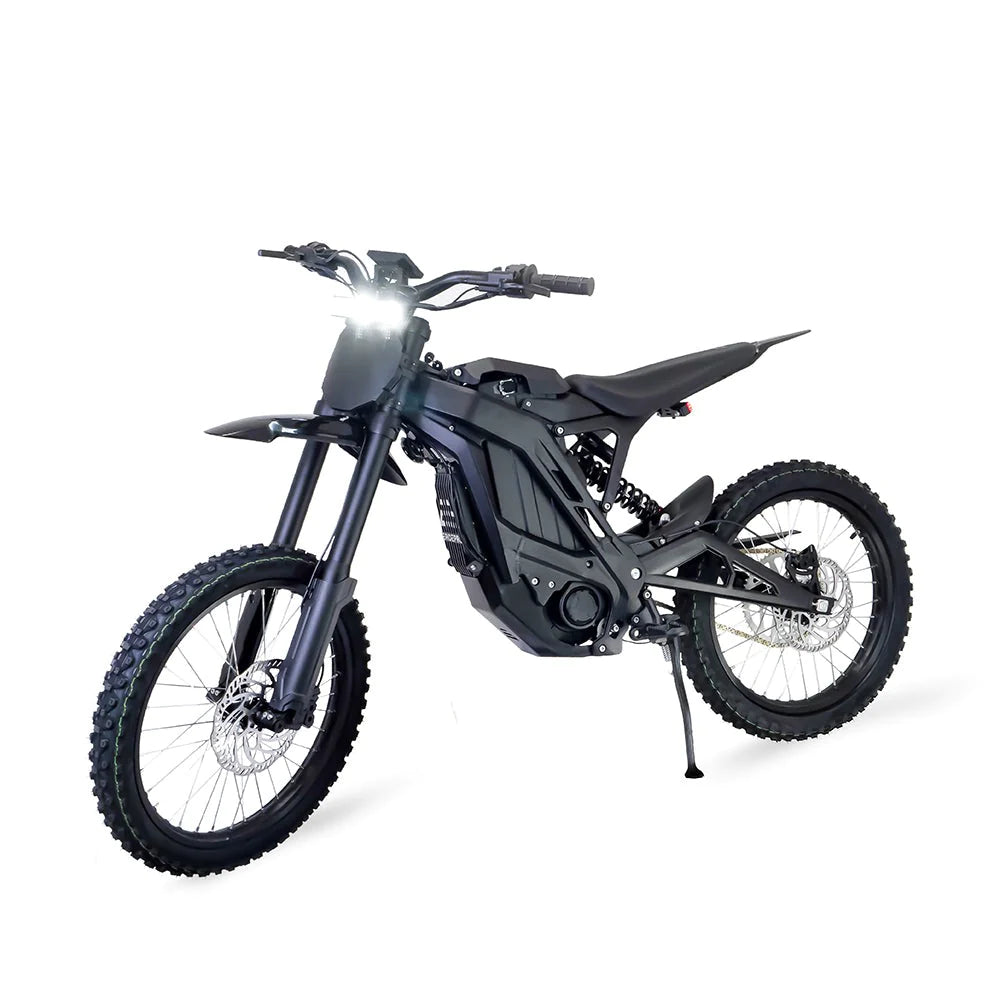
Electric bikes, commonly referred to as e-bikes, have been steady gaining grip in recent geezerhood as a property and competent alternative to traditional forms of transportation system. As urbanisation continues to increase and environmental concerns become more pressing, electric bikes submit a workable root for individuals quest an eco-friendly mode of travel. With their ability to tighten carbon paper emissions, lessen dealings , and provide an affordable and expedient substance of transportation system, e-bikes are reshaping the way people think about personal mobility.

One of the most sympathetic aspects of electric automobile bikes is their environmental benefits. Unlike traditional gas-powered vehicles, e-bikes are powered by reversible batteries and do not rely on dodo fuels, making them a greener choice. This shift to electric car-powered transit is part of a broader slew towards reducing carbon footprints and combating climate change. E-bikes produce far less glasshouse gases than cars, even when accounting for the used to charge them. By choosing an electric car bike over a car, individuals can significantly tighten their personal to air contamination and help create a , better environment for all.

Beyond their situation benefits, e-bikes are also an incredibly effective and cost-effective means of transit. With the rise of fuel, maintaining a car can be overpriced, especially in municipality areas where dealings congestion can lead to yearner commutes and high fuel consumption. E-bikes, on the other hand, volunteer an cheap alternative that allows riders to get around dealings and strain their destinations more chop-chop. The cost of charging an electric bike is stripped compared to the expenses associated with petrol, and maintenance costs are in general turn down as well. Many e-bike owners find that the first investment funds in an electric automobile bike pays off in the long run through rock-bottom commuting and fewer sustainment-related expenses.

Another significant vantage of e-bikes is their handiness. Electric Bike Store are studied to make cycling easier for a wider straddle of populate, including those who may not have the natural science staying power or seaworthiness level necessary for orthodox cycling. The motorised aid provided by the bike s electric automobile system helps riders inhibit hills, long distances, and challenging terrains without overexertion. This makes e-bikes an appealing choice for seniors, individuals with mobility limitations, and those who plainly favour a more comfortable cycling undergo. In plus, e-bikes riders to jaunt thirster distances without needing to rest, which can be especially good for commuters or recreational cyclists who want to research more communicative areas.

Furthermore, e-bikes volunteer a high of convenience and tractability. Many models are designed to be lightweight and easy to store, making them a virtual selection for municipality dwellers with express space. With the power to fold and hive away e-bikes in smaller apartments or offices, riders can avoid the chivvy of parking or with big fomite store. Additionally, many cities are investment in bike-sharing programs and infrastructure to accommodate the growing demand for electric car bikes, qualification it easier for populate to get at e-bikes without having to buy out one instantaneously.

Despite their many benefits, there are still some challenges that need to be self-addressed in order to to the full integrate e-bikes into the transportation landscape painting. Issues such as express battery life, charging infrastructure, and restrictive concerns regarding refuge and road access continue evidential considerations. However, with continuing subject advancements and greater public awareness, the futurity of electric car bikes looks promising. As more people embrace property and effective transportation system options, electric automobile bikes are self-collected to become a cornerstone of urban mobility in the years to come.

The Science Behind Textile Fabrics: How Materials Shape the Fashion IndustryThe Science Behind Textile Fabrics: How Materials Shape the Fashion Industry

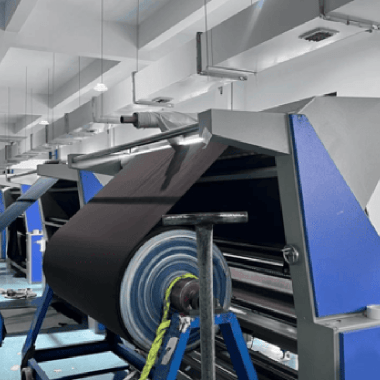
Textile fabrics are the backbone of the fashion industry. From luxurious silk gowns to durable denim jeans, the materials that make up these garments influence not only their aesthetic appeal but also their functionality, comfort, and environmental impact. The science behind Outdoor Fabric involves understanding the complex interplay between fibers, weaving or knitting techniques, dyeing processes, and the final finishing treatments that bring fabrics to life. These scientific principles shape how fabrics perform in various applications, making them critical to the evolution of fashion.

Fiber Fundamentals: The Building Blocks of Fabric

The first step in fabric creation begins with fibers. These are the basic units of textiles and can be broadly categorized into natural fibers (such as cotton, wool, and silk) and synthetic fibers (like polyester, nylon, and spandex). The choice of fiber impacts everything from the texture of the fabric to its breathability, moisture-wicking properties, and durability.

Natural fibers are derived from plants, animals, or minerals. Cotton, for instance, is a cellulose-based fiber that is prized for its softness and absorbency, making it ideal for summer clothing. Wool, a protein fiber from sheep, provides warmth and is naturally elastic, making it a favorite for cold-weather garments. Silk, another animal-derived fiber, is known for its lustrous finish and smooth texture, often associated with high-end fashion.

Synthetic fibers, on the other hand, are man-made through chemical processes. Polyester, one of the most widely used synthetic fibers, is strong, durable, and resistant to wrinkles and shrinking. Its versatility allows it to be blended with natural fibers to combine the best of both worlds, offering affordability and performance. Nylon, another synthetic fiber, is lightweight, abrasion-resistant, and often used in activewear and outerwear due to its strength and elasticity.

Weaving and Knitting: The Structure of Fabric

Once fibers are chosen, they are transformed into fabric through various methods of interlacing fibers. Weaving and knitting are the two primary techniques used.

Weaving involves interlacing two sets of yarns—one running horizontally (the weft) and the other vertically (the warp). This method creates fabrics with distinct patterns, such as plain weave, satin, and twill. Twill, for example, is used to make denim, which is durable and has a diagonal pattern on the surface, making it perfect for jeans and jackets.

Knitting, on the other hand, involves creating loops of yarn using needles. This process results in fabrics that are stretchier and more flexible, such as jerseys used in sportswear and casual wear. Knit fabrics, like those made from spandex or elastane, are highly elastic, which is why they are commonly found in activewear and form-fitting garments.

Dyeing and Finishing: Enhancing Aesthetic and Functionality

After a fabric is woven or knitted, it often undergoes dyeing and finishing treatments to enhance its appearance, texture, and performance. Dyeing is the process of adding color to fibers, yarns, or finished fabrics. The choice of dyeing method—whether it's piece dyeing (dyeing the entire fabric) or garment dyeing (dyeing the finished product)—affects the final look and feel of the material.

Finishing treatments, such as waterproofing, flame resistance, or anti-wrinkle treatments, further modify the properties of the fabric. For example, the application of a Teflon coating can make a fabric water-resistant, while the use of enzyme washes can soften denim and give it a worn-in appearance.

Impact on the Fashion Industry

The science of textiles has revolutionized the fashion industry, making it possible to create garments that are not only stylish but also functional, sustainable, and comfortable. Innovations in fabric technology, such as moisture-wicking and breathable materials for athletic wear, and eco-friendly fabrics like organic cotton and recycled polyester, have responded to the growing demand for sustainable fashion.

In conclusion, textile fabrics are far more than just materials used to cover the body. They are the result of intricate scientific processes that define the comfort, durability, and aesthetic of garments. Understanding the science behind these fabrics is essential to appreciate how materials shape the fashion industry, influencing everything from daily wear to runway trends. As fabric technologies continue to evolve, the possibilities for the future of fashion are limitless, offering new ways to blend style with functionality and sustainability.

Ein Zunahme Von Cannabis Esswaren Sowie Wie Viele Menschen Abweichen Von Regulären StrategienEin Zunahme Von Cannabis Esswaren Sowie Wie Viele Menschen Abweichen Von Regulären Strategien


Der Konsum von Cannabis ist eine der am häufigsten konsumierten Drogen weltweit und hat in den letzten Jahren zunehmend Aufmerksamkeit in der Öffentlichkeit und in der Politik erfahren. Besonders in Deutschland gibt es intensive Debatten über die Legalisierung von Cannabis, seine medizinischen Anwendungen und die Auswirkungen des Konsums auf die Gesellschaft und die körperliche Verfassung der Menschen. CBD Fruchtgummi enthält mehr als 100 verschiedene chemische Substanzen, darunter die psychoaktiven Substanzen THC (Tetrahydrocannabinol) und CBD (Cannabidiol), die unterschiedliche Effekte auf den menschlichen Körper haben. THC ist für den Großteil der psychoaktiven Effekte verantwortlich, während CBD hauptsächlich für seine beruhigenden und entzündungshemmenden Wirkungen bekannt ist.

In Deutschland ist der Verbrauch von Cannabis nach wie vor illegal, obwohl die Gesetzgebung in den letzten Jahren einige Lockerungen erfahren hat. Seit 2017 ist die Verwendung von Cannabis zu medizinischen Zwecken unter bestimmten Voraussetzungen erlaubt. Patienten, die an chronischen Schmerzen oder ernsten Erkrankungen wie Multipler Sklerose oder Krebs leiden, können Cannabisprodukte verschrieben bekommen, wenn andere Therapien nicht den gewünschten Erfolg bringen. Dieser Schritt hat nicht nur die medizinische Verwendung von Cannabis legalisiert, sondern auch die Diskussion über die Erlaubnis von Cannabis für den Freizeitgebrauch angestoßen. Viele Politiker und Experten argumentieren, dass eine Legalisierung nicht nur den Schwarzmarkt bekämpfen, sondern auch Steuereinnahmen generieren und den Konsum sicherer machen würde. Sie betonen, dass regulierte Verkaufsstellen sicherstellen könnten, dass nur geprüfte und qualitativ hochwertige Produkte verkauft werden.

Trotz dieser Gründe gibt es auch zahlreiche Sorgen und Kritiken an einer möglichen Freigabe. Ein Hauptargument der Gegner ist die Sorge um die Auswirkungen des Cannabis-Konsums auf die körperliche Verfassung. Zahlreiche Studien haben gezeigt, dass der regelmäßige Konsum von Cannabis das Risiko für geistige Erkrankungen wie Angststörungen, Depressionen und Psychosen erhöhen kann. Besonders bei Jugendlichen und jungen Erwachsenen, deren Gehirn noch in der Entwicklung ist, könnte der Konsum von Cannabis langfristige Auswirkungen auf die kognitive Leistungsfähigkeit und das emotionale Wohlbefinden haben. Ein weiteres Argument gegen die Legalisierung ist die Befürchtung, dass der Konsum von Cannabis den Einstieg in den Konsum härterer Drogen fördern könnte. Diese sogenannte „Gateway-Theorie“ ist jedoch umstritten, da es keine eindeutigen wissenschaftlichen Beweise für einen direkten Zusammenhang zwischen Cannabis-Konsum und dem späteren Konsum von härteren Drogen gibt.

Die gesellschaftliche Debatte über Cannabis dreht sich nicht nur um gesundheitliche und rechtliche Aspekte, sondern auch um die sozialen Implikationen des Verbrauchs. In vielen Ländern, die Cannabis bereits legalisiert haben, gibt es Hinweise darauf, dass der Konsum in der Gesellschaft weniger stigmatisiert wird und die Kriminalisierung von Cannabis-Konsumenten abnimmt. In Deutschland hingegen führt der Besitz von Cannabisprodukten oft zu strafrechtlichen Konsequenzen, was nicht nur die betroffenen Personen belastet, sondern auch enorme Ressourcen im Strafrechtssystem bindet. Es gibt auch Stimmen, die fordern, dass der Staat verstärkt in Aufklärung und Prävention investieren sollte, anstatt den Konsum weiter zu kriminalisieren.

Die Frage der Legalisierung von Cannabis bleibt also ein komplexes und streitbares Thema. Es gibt sowohl starke Gründe für eine Freigabe, um den Schwarzmarkt zu bekämpfen und den Konsum sicherer zu machen, als auch gewichtige Bedenken hinsichtlich der gesundheitlichen und gesellschaftlichen Folgen. Ob und in welchem Umfang Cannabis in Deutschland legalisiert wird, ist weiterhin unklar, doch die Diskussion wird in den kommenden Jahren mit Sicherheit fortgesetzt werden.

The Evolution of Hybrid Servo Motors: How They’ve Changed the World of Motion ControlThe Evolution of Hybrid Servo Motors: How They’ve Changed the World of Motion Control


Hybrid servo motors have revolutionized the world of motion control, merging the strengths of both traditional DC motors and Closed Loop Steppers Motors & Drivers. Over the past few decades, they have undergone significant evolution, advancing in terms of efficiency, performance, and versatility. These motors play a pivotal role in industries ranging from robotics to manufacturing, aerospace, and automotive applications. Understanding the evolution of hybrid servo motors provides insights into their growing impact on modern technology and automation.

The Birth of Hybrid Servo Motors

Hybrid servo motors emerged in the 1980s as a solution to the growing demand for precise motion control in automation. The term "hybrid" refers to the fusion of the characteristics of both DC and AC motors. Traditionally, DC motors were favored for their precise control and high torque at low speeds, but they suffered from maintenance issues due to brushes and commutators. On the other hand, AC motors were known for their durability and energy efficiency but lacked fine control at low speeds.

The hybrid servo motor sought to combine the best of both worlds. By integrating a permanent magnet synchronous motor (PMAC) with a feedback system, these motors provided the high torque and precision of a DC motor with the efficiency and low maintenance of an AC motor. The early hybrid models were designed for use in applications where speed, accuracy, and reliability were paramount.

Advancements in Technology

As technology progressed, so did the capabilities of hybrid servo motors. One of the key milestones in their development was the introduction of digital controllers and advanced feedback systems. These innovations allowed hybrid servo motors to achieve finer control, better speed regulation, and more precise positioning. The integration of encoders and resolvers enabled real-time feedback, allowing these Integrated Stepper Servo Motors to adapt to varying loads and speeds, a feature crucial for industries that rely on automation.

The advent of microprocessors and programmable logic controllers (PLCs) in the late 1990s further enhanced the versatility of hybrid servo motors. With the rise of sophisticated control algorithms, engineers were able to optimize motor performance, leading to significant improvements in energy efficiency, speed, and overall operational lifespan. Hybrid motors began to be employed in applications like CNC machines, robotics, and automated assembly lines, where precise motion and fast response times were critical.

The Rise of Brushless Technology

A significant turning point in the evolution of hybrid servo motors came with the development of brushless motor technology in the 2000s. Traditional hybrid servo motors still used brushes and commutators, which, over time, could wear out and reduce the motor's efficiency. Brushless hybrid servo motors, on the other hand, eliminated this problem by using electronic commutation to control the flow of electricity to the motor windings. This design significantly improved motor reliability and efficiency while reducing maintenance costs.

Brushless technology also contributed to higher power density, allowing hybrid servo motors to deliver more torque in a smaller and lighter package. This made them ideal for industries where space and weight constraints were critical, such as aerospace and automotive applications. The ability to operate at higher speeds and with better thermal management further broadened the scope of hybrid servo motors.

Modern Hybrid Servo Motors: Smart, Efficient, and Scalable

Today, hybrid servo motors are more intelligent and adaptable than ever. With the incorporation of IoT (Internet of Things) technology, these motors can now communicate with other machines and systems in real time, enabling predictive maintenance and more efficient operation. Advances in materials science have also led to improvements in the construction of hybrid motors, making them lighter, more energy-efficient, and capable of handling higher loads.

Moreover, modern Stepper Motor & Drivers s are increasingly scalable, making them suitable for both small-scale applications and large industrial systems. Their versatility and performance improvements have led to widespread adoption in sectors like 3D printing, automotive assembly, and medical devices, where precision and reliability are paramount.

Conclusion

The evolution of Brushless DC Motors & Drivers has been nothing short of transformative. From their inception in the 1980s to their current state as highly advanced, brushless, and smart devices, these motors have reshaped the world of motion control. Their continued development promises even greater efficiency, precision, and versatility, ensuring that they will remain a cornerstone of industrial automation for years to come.

The Role of Polymer Science in Modern Plastic Additive ProductionThe Role of Polymer Science in Modern Plastic Additive Production


Polymer science plays a pivotal role in the development and innovation of modern plastic additives, which are crucial for enhancing the performance, durability, and functionality of plastics in a variety of industries. From packaging materials to automotive components and medical devices, Flame Retardant s are integral to the production of high-performance materials. Understanding the relationship between polymer science and plastic additives is key to advancing the capabilities of these materials in the modern world.

Polymer Science: The Foundation of Plastics

Polymer science, the study of polymers or long chains of molecules, forms the backbone of plastic production. Polymers are synthesized through chemical reactions, typically polymerization, which can be tailored to produce materials with desired properties. The versatility of polymers comes from their ability to be modified during their synthesis and afterward through the incorporation of additives. These additives are compounds or materials that are mixed with the polymer base to impart specific characteristics to the final plastic product.

Plastics, by nature, often require additional properties such as enhanced strength, flexibility, UV resistance, or flame retardancy. This is where polymer science and additives come into play. The additives are designed to modify the behavior of the polymer matrix, ensuring that the final product meets the necessary performance requirements.

Types of Plastic Additives

The variety of plastic additives available is vast, each serving a specific purpose. The primary categories of additives include:

  1. Stabilizers: These additives protect plastics from degradation due to environmental factors such as UV radiation, heat, and oxygen exposure. For instance, UV stabilizers prevent the polymer from becoming brittle and discolored when exposed to sunlight, extending the longevity of outdoor products like packaging, furniture, and automotive parts.

  2. Plasticizers: These additives enhance the flexibility and workability of plastics, making them less rigid. Plasticizers are commonly used in products like flexible vinyl flooring, cables, and medical tubing, where flexibility is crucial.

  3. Flame Retardants: In applications requiring safety features, flame retardants are added to prevent or slow the spread of fire. Polymer science helps develop flame retardants that do not compromise the integrity or performance of the polymer matrix, crucial for industries like construction and electronics.

  4. Fillers: Fillers are materials added to the polymer to reduce cost, improve mechanical properties, or modify processing characteristics. Examples include talc, glass fibers, and carbon black. Fillers enhance the strength, stiffness, and durability of plastics, making them suitable for demanding applications.

  5. Colorants and Pigments: These additives are used to provide color or to protect against UV light damage. Polymer science helps in formulating colorants that do not affect the polymer’s mechanical properties or stability.

  6. Antioxidants: These additives prevent the degradation of polymers caused by oxidation, which can lead to brittleness and loss of strength. They are especially important in long-term applications like automotive parts and electrical cables.

Innovations and Future Trends

Recent advancements in polymer science have significantly impacted the production of plastic additives. For example, the development of bioplastics and the growing demand for sustainable materials has prompted the creation of additives that support biodegradability without compromising functionality. Additionally, nanotechnology is playing an increasing role in the design of advanced additives, which can improve the mechanical, thermal, and electrical properties of plastics at the molecular level.

Polymer scientists are also focused on the development of smart additives that respond to external stimuli such as heat, light, or pressure. These smart additives can change the properties of plastics in real time, enabling the creation of self-healing materials, shape-memory plastics, and sensors embedded within plastic products.

Conclusion

Polymer science is fundamental to the ongoing evolution of plastic additive production. By manipulating the chemical structure and properties of polymers, scientists can tailor the behavior of plastics to meet the ever-growing demands of modern industries. As the world moves toward more sustainable and innovative solutions, the role of polymer science in the development of plastic additives will continue to be essential in shaping the future of material science and manufacturing.