
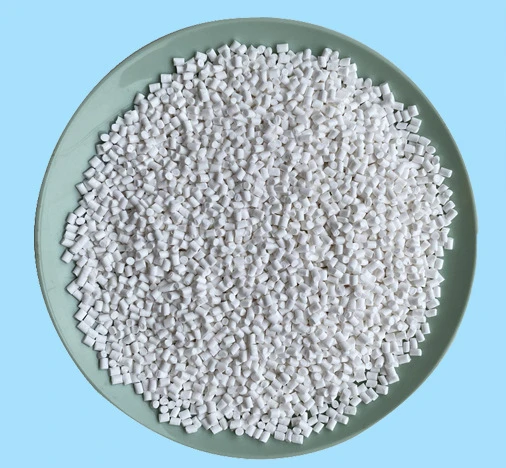
Polymer science plays a pivotal role in the development and innovation of modern plastic additives, which are crucial for enhancing the performance, durability, and functionality of plastics in a variety of industries. From packaging materials to automotive components and medical devices, Flame Retardant s are integral to the production of high-performance materials. Understanding the relationship between polymer science and plastic additives is key to advancing the capabilities of these materials in the modern world.
Polymer Science: The Foundation of Plastics
Polymer science, the study of polymers or long chains of molecules, forms the backbone of plastic production. Polymers are synthesized through chemical reactions, typically polymerization, which can be tailored to produce materials with desired properties. The versatility of polymers comes from their ability to be modified during their synthesis and afterward through the incorporation of additives. These additives are compounds or materials that are mixed with the polymer base to impart specific characteristics to the final plastic product.
Plastics, by nature, often require additional properties such as enhanced strength, flexibility, UV resistance, or flame retardancy. This is where polymer science and additives come into play. The additives are designed to modify the behavior of the polymer matrix, ensuring that the final product meets the necessary performance requirements.
Types of Plastic Additives
The variety of plastic additives available is vast, each serving a specific purpose. The primary categories of additives include:
-
Stabilizers: These additives protect plastics from degradation due to environmental factors such as UV radiation, heat, and oxygen exposure. For instance, UV stabilizers prevent the polymer from becoming brittle and discolored when exposed to sunlight, extending the longevity of outdoor products like packaging, furniture, and automotive parts.
-
Plasticizers: These additives enhance the flexibility and workability of plastics, making them less rigid. Plasticizers are commonly used in products like flexible vinyl flooring, cables, and medical tubing, where flexibility is crucial.
-
Flame Retardants: In applications requiring safety features, flame retardants are added to prevent or slow the spread of fire. Polymer science helps develop flame retardants that do not compromise the integrity or performance of the polymer matrix, crucial for industries like construction and electronics.
-
Fillers: Fillers are materials added to the polymer to reduce cost, improve mechanical properties, or modify processing characteristics. Examples include talc, glass fibers, and carbon black. Fillers enhance the strength, stiffness, and durability of plastics, making them suitable for demanding applications.
-
Colorants and Pigments: These additives are used to provide color or to protect against UV light damage. Polymer science helps in formulating colorants that do not affect the polymer’s mechanical properties or stability.
-
Antioxidants: These additives prevent the degradation of polymers caused by oxidation, which can lead to brittleness and loss of strength. They are especially important in long-term applications like automotive parts and electrical cables.
Innovations and Future Trends
Recent advancements in polymer science have significantly impacted the production of plastic additives. For example, the development of bioplastics and the growing demand for sustainable materials has prompted the creation of additives that support biodegradability without compromising functionality. Additionally, nanotechnology is playing an increasing role in the design of advanced additives, which can improve the mechanical, thermal, and electrical properties of plastics at the molecular level.
Polymer scientists are also focused on the development of smart additives that respond to external stimuli such as heat, light, or pressure. These smart additives can change the properties of plastics in real time, enabling the creation of self-healing materials, shape-memory plastics, and sensors embedded within plastic products.
Conclusion
Polymer science is fundamental to the ongoing evolution of plastic additive production. By manipulating the chemical structure and properties of polymers, scientists can tailor the behavior of plastics to meet the ever-growing demands of modern industries. As the world moves toward more sustainable and innovative solutions, the role of polymer science in the development of plastic additives will continue to be essential in shaping the future of material science and manufacturing.
